How adaptable infrastructure can help cities prepare for an uncertain future
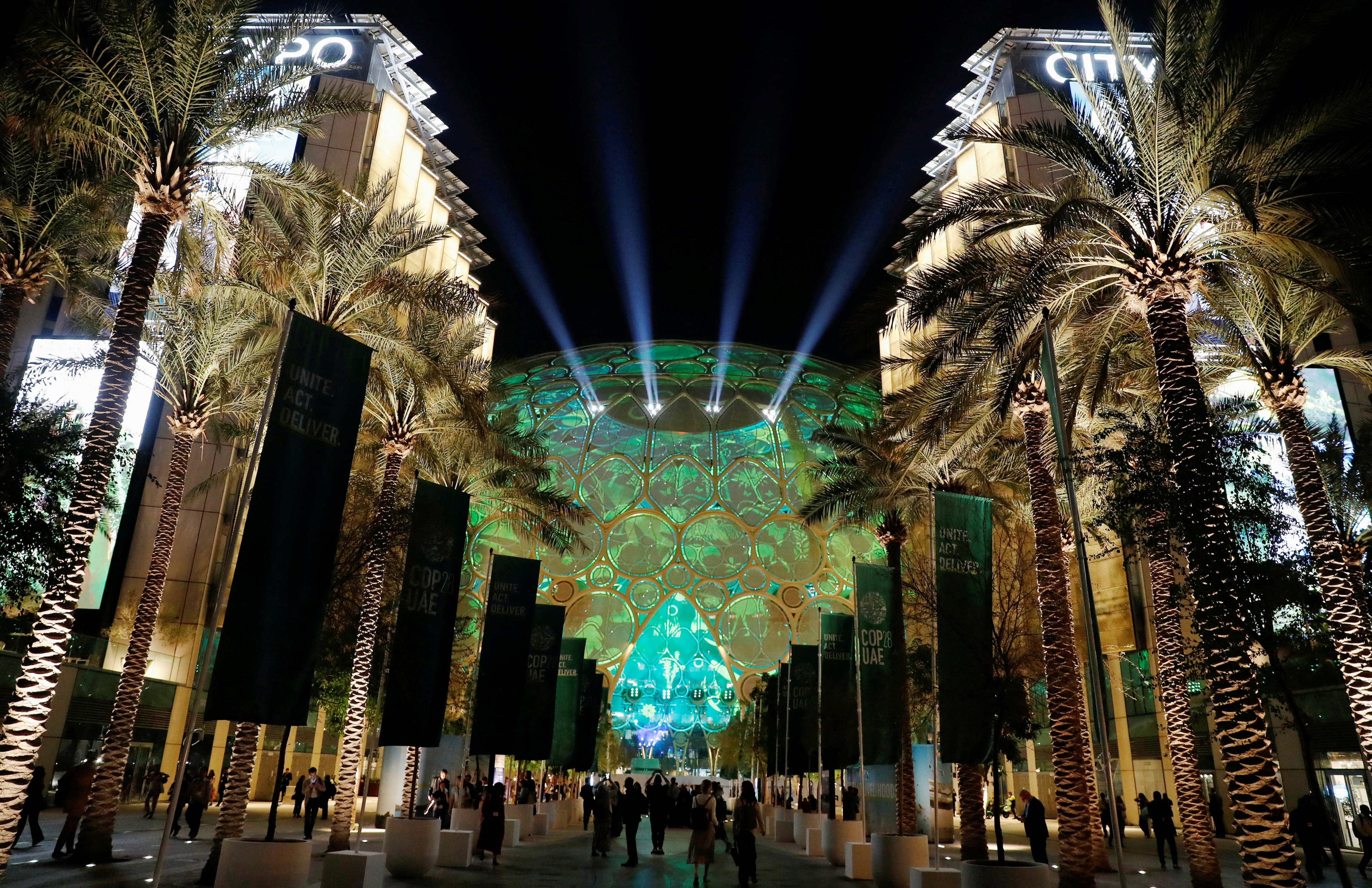
Delegates walk at Dubai's Expo City during the United Nations Climate Change Conference (COP28) in Dubai, United Arab Emirates, December 6, 2023 Image: REUTERS/Thomas Mukoya
- Infrastructure built today must remain useful for decades despite changing technology, climate and urban needs.
- Fast-growing cities, such as those in the Gulf, can build in flexibility through modular construction, digital systems and sustainable design from the outset.
- Before approving major projects, leaders must ask whether they can be adapted or reused as conditions change and who is accountable for risk when assumptions prove wrong.
Every major infrastructure decision today is a bet on a future that becomes harder to predict over time. Much of what is built now will still be standing in 2050, shaped by assumptions regarding technology, climate and urban life that may no longer hold. Some projects will need rebuilding long before they reach the end of their useful life.
Industry leaders warn that the decisions made in the next five years will shape the next 25 and that planning for only one version of the future is a strategy no one can afford. Nowhere is this more visible than in cities.
By 2050, around seven in 10 people are projected to live in urban areas, while demand for energy, mobility and health services is already changing faster than the infrastructure built to meet it.
The real question is whether our cities can adapt and shift to whatever comes next.
This is where the concept of “optionality dividend” becomes relevant. Its core idea is simple: when the future is uncertain, having more than one viable path can create value. In infrastructure, this means designing assets that can adapt to changing needs, construction practices and materials, while enabling existing systems to accommodate future choices.
This value comes from keeping choices open. When infrastructure avoids locking in one solution too early, it can reduce the risk of becoming obsolete or expensive to replace when conditions change. Upfront investment in flexibility can therefore protect value over an asset’s life and reduce the cost of rebuilding.
The next few years will define global adaptable infrastructure. The definition of infrastructure is moving beyond traditional asset-heavy sectors to include services, technology and distributed systems. Decisions made today will shape whether the built environment can remain adaptable, inclusive and capable of supporting economic growth and societal wellbeing across generations.
Different cities will have different starting points
Two regions demonstrate how the same challenge unfolds from opposite directions.
Across the fast-growing cities in Gulf Cooperation Council (GCC) countries, a pipeline of more than $2 trillion in mega projects through 2035 and large areas of undeveloped land give planners room to embed adaptability from the start. Planners can incorporate digital systems, modular construction and other approaches before building new networks and buildings.
Australian cities start from a different place. Decades of investment have created extensive networks of transport, water, energy and buildings that must continue serving communities while adapting to changing conditions.
Local governments alone face up to AUD 280 billion (US$195 billion) in infrastructure renewal and upgrade demand and optionality here has to be built into what already exists rather than designed from scratch.
These starting points call for different approaches to the same goal. New cities can build flexibility from the beginning, while established cities can create it through adaptation and reuse. The same principle applies – make today's investment useful across more than one possible future.
Optionality and what it looks like in practice
Expo City Dubai reflects this thinking, built into a new development from day one. The city is transforming 80% of the original Expo 2020 site into a smart, sustainable urban community.
Its masterplan was designed with future reuse in mind, reusing more than one million tonnes of excavated material and using modular construction methods to minimize waste and energy during the transition. The project has planned a major development for its next life before the first phase is complete.
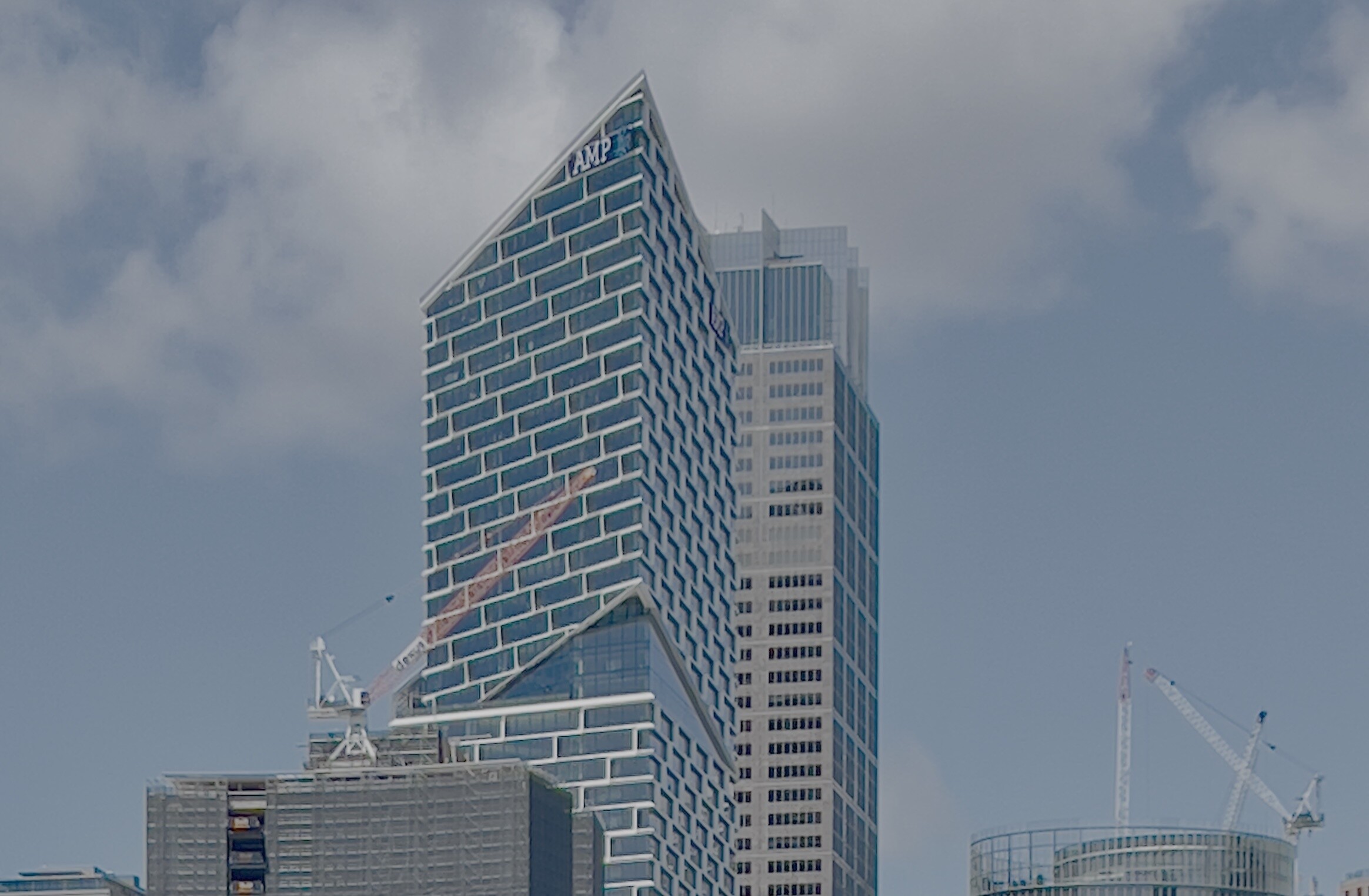
Sydney’s Quay Quarter Tower illustrates a different approach: reuse what already exists. It is the world’s first fully upcycled skyscraper, where a high-rise tower was retrofitted rather than demolished, retaining more than 65% of its existing structure and extending the asset’s design life by 50 years. This shows that adaptable infrastructure capacity can preserve both material value and future development potential.
Abu Dhabi’s Masdar City is another example of centring optionality within a project’s design and building philosophy. Masdar is built across 640 hectares of desert and purports to incorporate design flexibility, urban sustainability and tech-integrated infrastructure to minimize its carbon footprint.
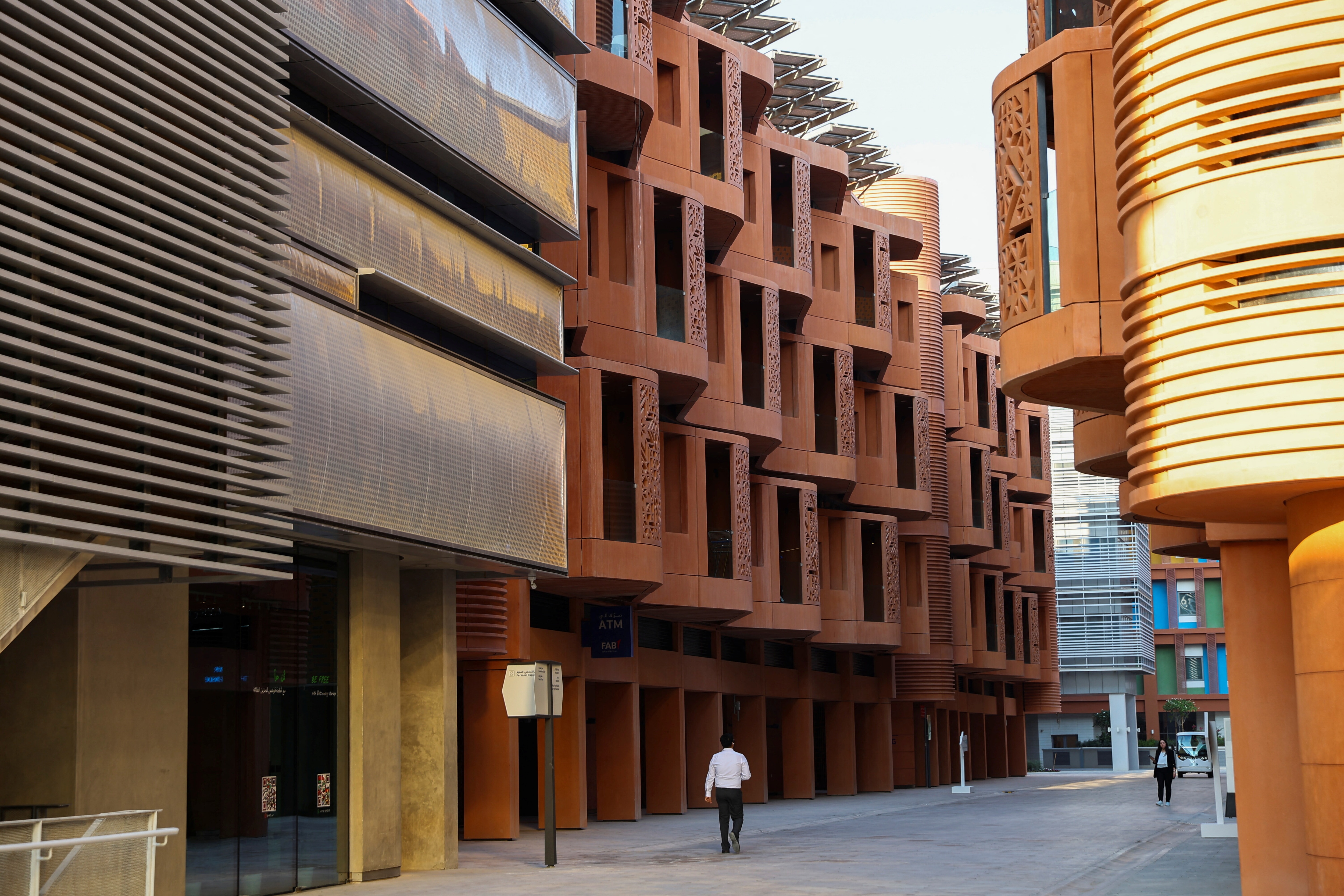
Its development is conceived around cross-cutting sustainability, clean energy, mobility and resource management, creating opportunities to incorporate new technologies and adapt urban systems as needs evolve.
Together, these examples point to three pathways: design for future needs from the outset, reuse what already exists and establish systems that keep integrating adaptability and sustainability.
3 questions for infrastructure leaders
Infrastructure leaders cannot know which technologies, climate pressures, or economic shifts will define the coming decades. However, they can decide how much freedom future generations inherit.
Before committing to major investments, three questions are worth asking:
1. Can it adapt?
Can the asset still work if technology, climate and demand turn out differently? Spare capacity and modular design mean a change of course does not require a full rebuild.
2. Can it be reused?
If its original purpose changes, can its structure or materials retain value? Designing for reuse can extend an asset’s useful life while reducing waste and embodied carbon.
3. Who inherits the risk?
If today’s assumptions prove wrong, who carries the financial, environmental and social consequences? Making those risks visible before a project is approved can lead to better long-term decisions.
Cities will continue to evolve and uncertainty about what lies ahead will remain. The question is whether what we build today can remain useful as circumstances change around urban aspects like housing, technology, energy and health.
Valuing investments that can serve more than one possible future reduces the risk and cost of building our cities twice.
The cities we leave behind will reflect the choices we make today. Perhaps the most important choice is how much freedom we leave for those who come next.
Don't miss any update on this topic
Create a free account and access your personalized content collection with our latest publications and analyses.
License and Republishing
World Economic Forum articles may be republished in accordance with the Creative Commons Attribution-NonCommercial-NoDerivatives 4.0 International Public License, and in accordance with our Terms of Use.
The views expressed in this article are those of the author alone and not the World Economic Forum.
Related topics:
Forum Stories newsletter
Bringing you weekly curated insights and analysis on the global issues that matter.
More on Built Environment and InfrastructureSee all

Oliver Martin and Gabriela Theus
October 12, 2026


