Solving the new energy equation: 6 leaders on what must happen next
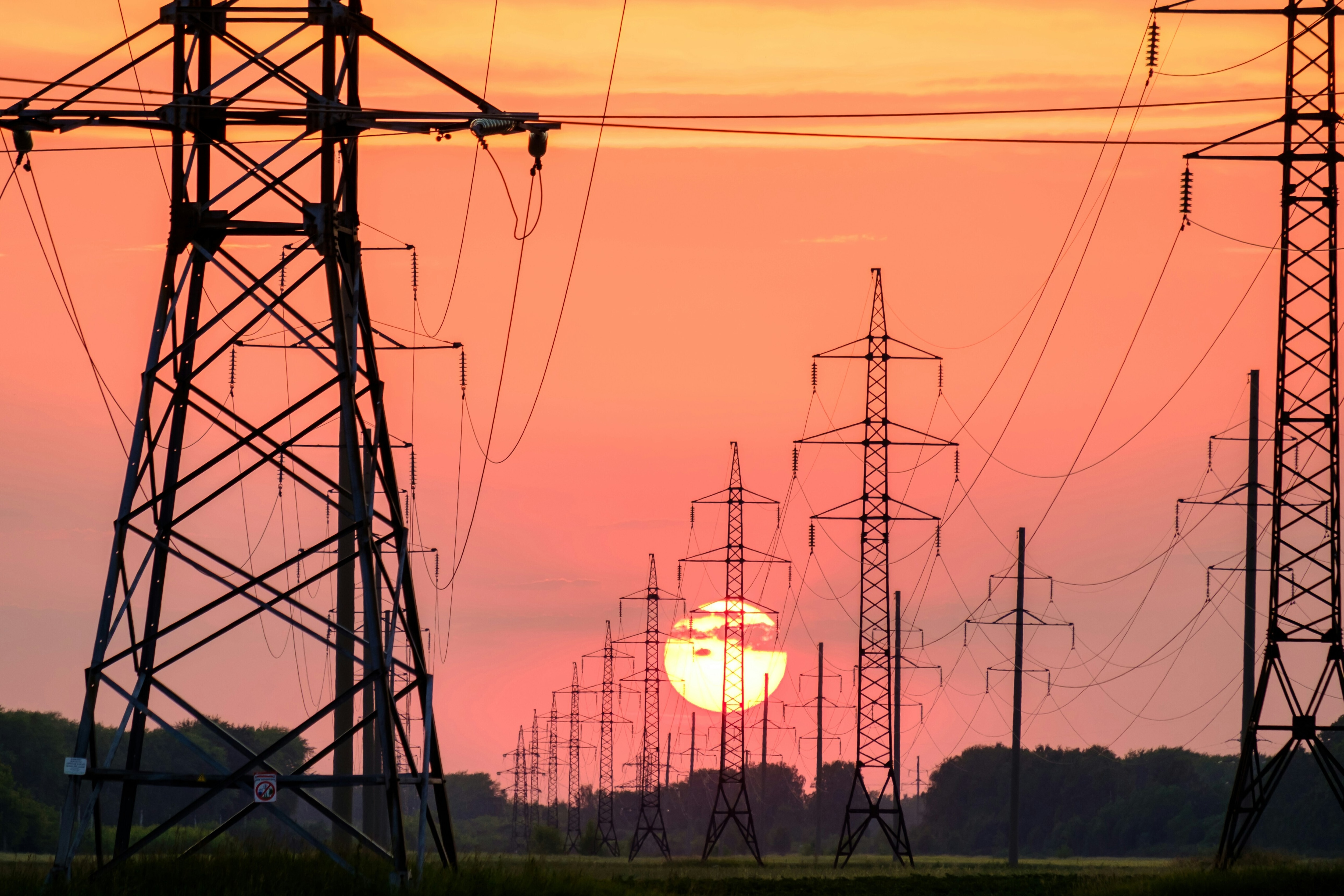
Image: Unsplash/Andrey Metelev
- Energy is increasingly central to economic competitiveness, amid rising demand from artificial intelligence, data centres, electrification and manufacturing.
- Energy security is becoming broader and more complex, making innovation and cooperation more critical.
- Six co-chairs of the Forum's recent Energy Forum 2026 provide perspectives here on the practical action needed to ensure reliable, sustainable energy while strengthening economic resilience.
The WEF's Energy Forum 2026 in September brought together 150 leaders from businesses, governments, academia and civil society to explore one defining question: how can energy systems meet rapidly growing demand, while also strengthening security, affordability, sustainability and competitiveness in a fast-changing global context?
Four themes stood out from the discussions:
- Energy is becoming even more central to economic resilience and competitiveness. Electrification, artificial intelligence, data centres, industrial policy and new manufacturing models are increasing demand for reliable and affordable power.
- Energy security is becoming more complex. It now extends beyond fuel supplies to include grids, critical infrastructure, technologies, materials and industrial systems.
- Innovation is creating new opportunities for investment and growth. The convergence of energy infrastructure, digital technologies, advanced manufacturing, storage, mobility and clean fuels can help strengthen energy systems and industrial competitiveness.
- International cooperation is adapting, not disappearing. Cooperation is becoming more focused on practical areas of shared interest. At the same time, geopolitical uncertainty is pushing governments and businesses to diversify supply chains, strengthen resilience and develop greater strategic independence.
These themes point to a broader conclusion: the next phase of the energy transition will depend on coordinating infrastructure, markets, policy and industrial capacity to build resilient, flexible and integrated energy systems.
In the reflections that follow, the Energy Forum's six co-chairs share their perspectives on the barriers leaders should not underestimate, and the practical action needed to accelerate the transition to more secure, competitive, resilient and sustainable energy systems.
Zhang Chao, Co-President, Mingyang Smart Energy
Energy issues are no longer limited to security, affordability and sustainability. Competitiveness has become an equally critical priority.

Energy issues are no longer limited to security, affordability and sustainability. Competitiveness has become an equally critical priority. These four objectives are deeply interconnected, and energy has become critical economic infrastructure underpinning industrial competitiveness, technological leadership and long-term growth.
As energy systems become more complex, the focus must shift beyond expanding generation capacity to building resilient, flexible and integrated power systems that can reliably deliver affordable, clean energy at scale. This requires investment in grids, storage, digital technologies and the capabilities that connect them.
In an increasingly complex geopolitical and economic environment, no country or company can achieve this transformation alone. By building trusted partnerships that combine complementary strengths, and judging technologies by the value they deliver rather than their origin, we can accelerate innovation, strengthen resilience and build a more competitive, secure and sustainable energy future.
Gyanesh Chaudhary, Chairman and Managing Director, Vikram Solar
Energy sovereignty is now economic sovereignty.
”
The greatest risk leaders underestimate is delivery, on two fronts. More than 2,500 gigawatts of projects remain stuck in grid-connection queues worldwide, with capital and clean electricity delayed by transformer, permitting and infrastructure bottlenecks.
At the same time, manufacturing has expanded in response to short-term demand signals rather than long-term supply-chain visibility, resulting in overcapacity in some regions and shortages in other fast-growing markets.
The countries expected to drive around 80% of future electricity demand growth also face financing costs two to three times higher than those of advanced economies. Energy sovereignty is now economic sovereignty. Countries that can build cells, modules and batteries will increasingly shape the terms of their own transitions.
Governments and businesses should work together to procure firm, dispatchable renewable power under stable and predictable policy frameworks. Government creates the long-term certainty that enables investment, while industry delivers globally competitive technology, manufacturing capacity and innovation.
Cheap solar got us here; delivery takes us the rest of the way.
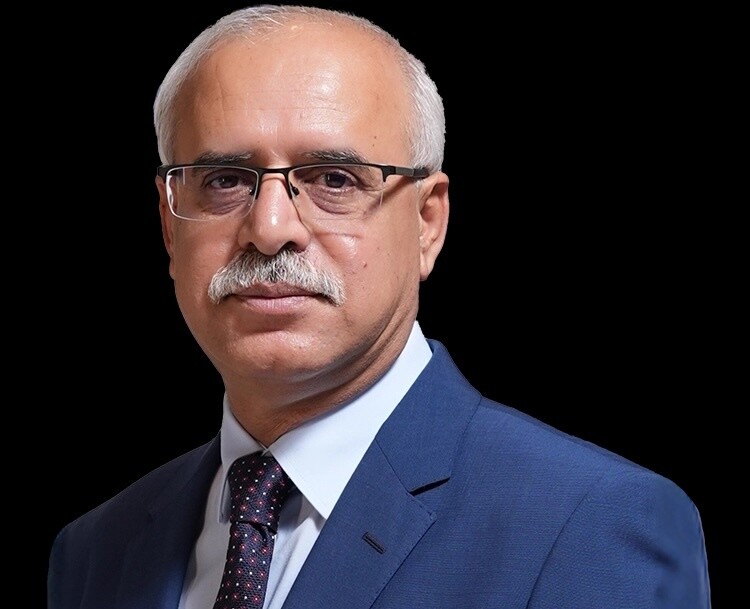
Faheem Haider, Managing Director and Chief Executive Officer, Mari Energies
The opportunity is to move beyond a technology-by-technology approach towards integrated system planning.
”
One barrier leaders may still be underestimating is system readiness. The energy transition is often discussed in terms of how quickly we can add new production, power generation and clean technologies. Yet the real constraint may be whether the wider system can absorb and manage that growth.
This is particularly important for growing economies such as Pakistan. If investment in oil and gas production or power generation moves ahead of transmission and distribution, storage, demand growth, technical skills, regulatory capacity or policy support, we risk creating stranded or underutilized assets while consumers continue to face unreliable and expensive energy.
The transition becomes more costly without necessarily becoming more sustainable.
The opportunity is to move beyond a technology-by-technology approach towards integrated system planning. Governments and businesses should identify policy gaps and infrastructure bottlenecks while developing a jointly prioritized and bankable project pipeline.
Aligning production, generation, grids, demand and financing from the outset will reduce execution risk, improve affordability and enable capital to deliver greater impact.
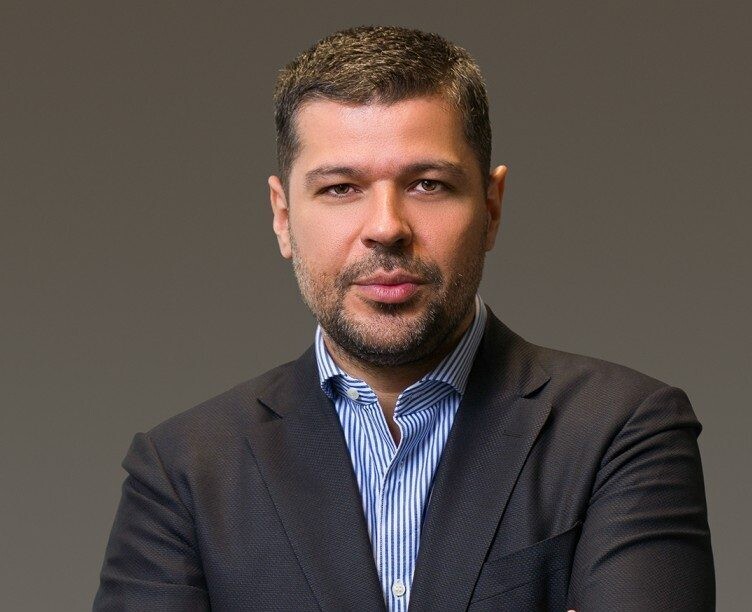
Georgios Stassis, Chief Executive Officer, PPC
Governments and businesses must collaborate to enable investment ahead of demand.
”
To solve the new energy equation, we must address a critical timeline mismatch: energy infrastructure and grids take five to 10 years to build, while digital and industrial demand can scale in mere months.
The most significant barrier is the lack of predictable regulatory frameworks to support anticipatory grid investments. Renewables are being built rapidly but regulatory models often force utilities to remain reactive, requiring them to build networks only after demand has been established.
Governments and businesses must collaborate to enable investment ahead of demand.
Until these regulatory updates materialize, PPC is addressing grid bottlenecks through ecosystem co-location. Our flagship project at Agios Dimitrios in Western Macedonia, Greece, is repurposing former lignite lands into an energy-self-sufficient digital hub through co-located solar, energy storage and flexible generation.
Platforms such as WEF can help bridge this gap by convening policymakers and industry leaders around a common objective: giving utilities the confidence and regulatory certainty to build tomorrow’s grid today while keeping electricity affordable for consumers.
Sama Bilbao y León, Director General, World Nuclear Association
For too long, energy decisions have been optimized around individual objectives without sufficient regard for the wider system.
”
One of the defining challenges of our time is building sustainable energy systems to power a growing, increasingly electrified world.
My main takeaway is that we continue to underestimate a fundamental reality: energy is not simply a sector of the economy; it is the engine of the economy. It underpins industrial competitiveness, economic growth, technological leadership, national security and quality of life.
For too long, energy decisions have been optimized around individual objectives without sufficient regard for the wider system. The Energy Forum was structured around four imperatives: security, affordability, sustainability and economic growth. The challenge is not to choose between them but to build systems that can deliver all four simultaneously.
That requires governments and industry to align infrastructure, permitting, financing, workforce development and industrial strategy with future energy demand.
Long-term policy certainty and stable market signals are not simply energy priorities; they are economic priorities. When energy is treated as a strategic enabler of prosperity, investment follows, innovation accelerates and growth becomes possible at scale.
Varun Sivaram, Founder and Chief Executive Officer, Emerald AI
From India to Europe, countries pursuing AI face the same challenge: connecting the infrastructure of future economic growth while keeping electricity affordable and reliable.
”
AI’s future depends on a very physical constraint: getting connected to power.
At the Energy Forum 2026, we launched the AI Energy Management Alliance to help address that challenge, bringing together companies across the AI and energy ecosystems to make AI data centres better citizens of electricity grids and local communities.
Data centres are projected to consume only around 3% of global electricity in 2030. Yet AI deserves a prominent place on the energy agenda because of its speed, scale and economic significance.
Electricity consumption at AI-focused data centres surged 50% in 2025; their concentrated power requirements can overwhelm local infrastructure and countries increasingly view AI infrastructure as foundational to economic growth, competitiveness and sovereignty.
However, we can make these facilities more flexible. By coordinating computing workloads, batteries and other resources, data centres can reduce electricity demand when grids are under stress. As NVIDIA explains, this can free capacity for faster connections, avoid costly infrastructure built for rare demand peaks and support reliable electricity for surrounding communities.
At the Energy Forum, we discussed a grand bargain in which governments and regulators offer AI data centres that are good grid citizens faster and larger power connections. Although the Alliance begins with an American focus, the opportunity is global.
From India to Europe, countries pursuing AI face the same challenge: connecting the infrastructure of future economic growth while keeping electricity affordable and reliable.
License and Republishing
World Economic Forum articles may be republished in accordance with the Creative Commons Attribution-NonCommercial-NoDerivatives 4.0 International Public License, and in accordance with our Terms of Use.
The views expressed in this article are those of the author alone and not the World Economic Forum.
Contents
Zhang Chao, Co-President, Mingyang Smart EnergyGyanesh Chaudhary, Chairman and Managing Director, Vikram SolarFaheem Haider, Managing Director and Chief Executive Officer, Mari EnergiesGeorgios Stassis, Chief Executive Officer, PPCSama Bilbao y León, Director General, World Nuclear AssociationVarun Sivaram, Founder and Chief Executive Officer, Emerald AI
Forum Stories newsletter
Bringing you weekly curated insights and analysis on the global issues that matter.
More on Energy TransitionSee all

Ulrik Stridbæk and Tord Bjørndal
October 13, 2026


