Why climate solutions need energy, water and infrastructure to scale
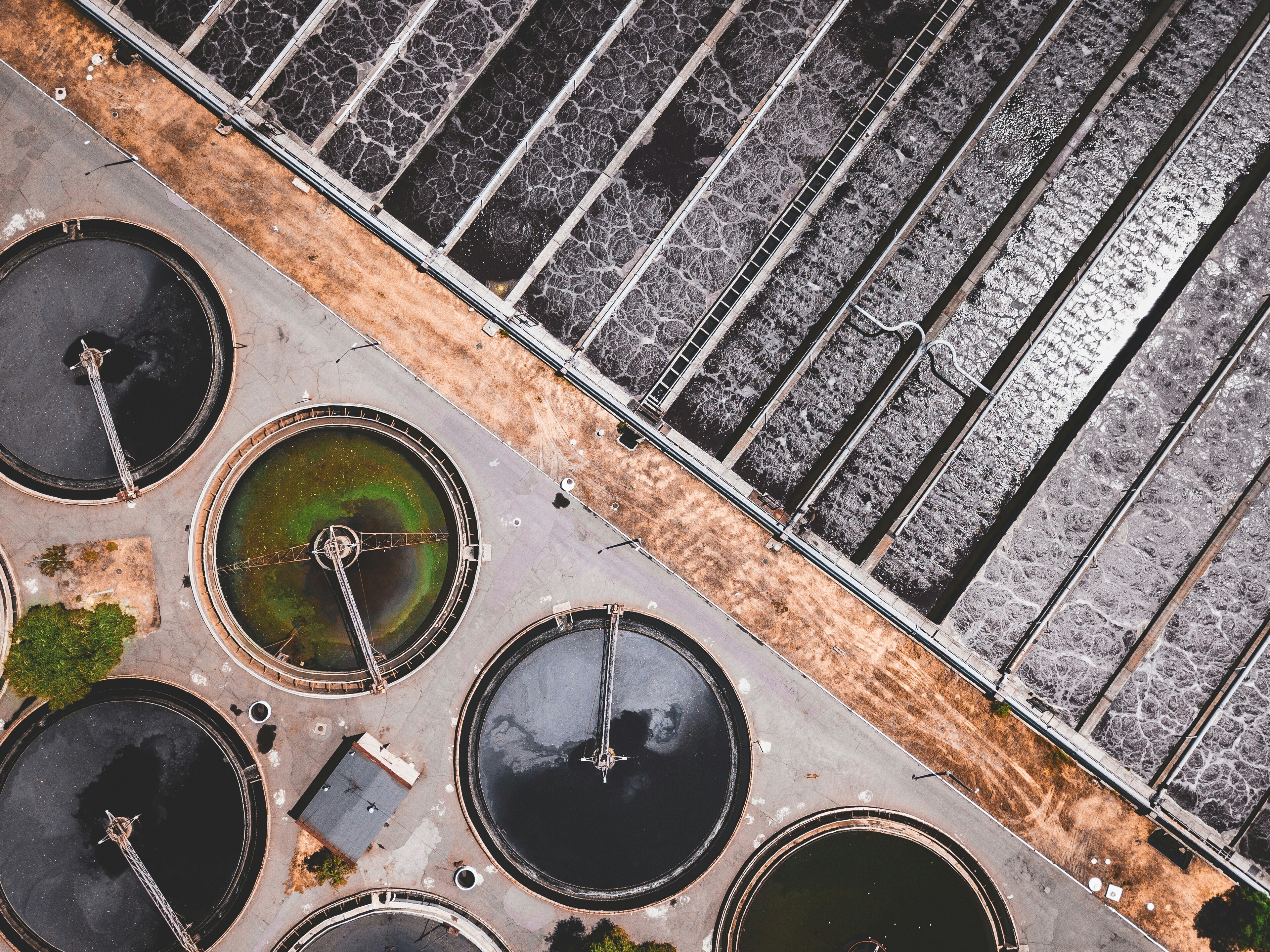
Energy, water and infrastructure are just as important as technology and finance in climate solutions Image: Unsplash/Ivan Bandura
- Clean energy, artificial intelligence, industrial decarbonization and climate resilience all compete for the same fundamental yet interdependent resources.
- Mitigation and adaptation are often treated as separate priorities but they are deeply connected, making integrated planning and shared infrastructure of key importance.
- As well as technology and finance, sustainable projects need enabling systems, such as roads, electricity grids, water infrastructure, logistics and industrial capacity to reach scale.
Increasing global investment in clean energy, artificial intelligence (AI), industrial decarbonization and climate resilience means countries are increasingly competing for electricity, water, land and critical minerals.
These scarce resources are the bedrocks of the green transition, industrialization and AI expansion. Collectively, they form complex, yet critical systems, where one missing or weak element can amplify challenges across the others.
At the same time, climate change is pressuring these systems as a warming planet makes access to and the durability of each resource scarcer. Enabling systems that fail to keep pace could therefore undermine the success of climate solutions.
An interconnected, systems-view approach can enhance systems resilience increasing the likelihood that climate mitigation and adaptation investments actually pay off. Building these systems is thus becoming as important as funding and developing the technologies.
For example, by 2030, global water demand is projected to exceed sustainable supply by 40%, while demand for electricity, minerals and resilient infrastructure continues to grow rapidly across the energy transition. These pressures are converging around the same systems.
What happens when climate solutions are treated as competing priorities
Energy, water, food, minerals and industrial systems are increasingly interconnected. Investments in one area create impacts and dependencies in others.
This challenge is illustrated by Blooom, a digital platform connecting smallholder farmers in Haiti with market information, finance and sustainable agricultural inputs, funded by the International Finance Corporation and developed by the Indian social enterprise eKutir.
A solar-powered irrigation pump was installed alongside the platform to improve agricultural productivity. Yet despite the technology, financing and farmer training in place, a severe drought reduced river flows to the point that the pump could no longer operate. The constraint was not the innovation itself but the water system on which it depended.
Climate solutions indeed need funding. However, they also require fundamental resources, such as energy, water and infrastructure to be successful. These are the basic building blocks that we often overlook.
In Oman, for example, as part of Vision 2040, the Gulf country aims to generate 30% of its electricity from renewables by 2030, with major wind projects expected to add more than 2 gigawatts of capacity. However, delivering turbines weighing more than 100 tonnes requires new roads, strengthened pavements and upgraded transport corridors.
The Amin Riyah Wind IPP in Oman, for example, had to include new roads, road widening and pavement strengthening to accommodate turbine delivery, showing that enabling systems, such as infrastructure, must be in place to support renewable energy integration.
Climate solutions – whether focused on mitigation or adaptation and resilience – are too often treated as competing priorities, developed in silos and evaluated on their own terms. As a result, they increasingly compete for the same enabling systems: energy, water, land, logistics and industrial infrastructure.
This framing misses that the two are deeply symbiotic. Beyond greenhouse gas mitigation, renewable energy underpins climate-smart agriculture and water resilience.
Water isn’t just an adaptation concern; it’s a prerequisite for the energy transition itself. These systems are increasingly interconnected and investments in one create ripple effects across all others.
How companies can take a systems approach to growth and industrial decarbonization
Morocco-headquartered OCP, which produces phosphate-based fertilizers, adopts a holistic approach, acknowledging that decarbonizing fertilizer production cannot be siloed from broader infrastructure, water and energy requirements, which are increasingly drivers of cost competitiveness and organizational resilience.
For example, it uses water from non-conventional sources, including desalinated seawater and treated wastewater, in its industrial operations via dedicated infrastructure to reduce pressure on Morocco’s scarce conventional water resources.
Solar power and energy-storage capacity supply its mining and industrial platforms and, increasingly, its desalination facilities with competitive, low-carbon electricity.
This creates a reinforcing system: renewable energy reduces the cost and carbon footprint of producing water; secure access to non-conventional water strengthens the resilience and autonomy of operations; together, they enable the sustainable production of customized plant-nutrition solutions while supporting the decarbonization of fertilizer production and use.
The benefits of this holistic approach extend beyond one company’s sites, with infrastructure supplying potable water to several Moroccan cities and designed to support future development.
The core idea is to embed sustainability from the outset, combining food security, climate action, resource preservation, industrial competitiveness and shared value for surrounding communities within one systemic model.
Scaling solutions that combat climate impacts also require innovation ecosystems capable of generating the next generation of technologies and business models.
OCP also engages the local industrial ecosystem, with more than 65% of the water programme's investment budget benefiting Moroccan companies, reflecting strong local integration. It fosters innovation through Mohammed VI Polytechnic University, which develops programmes to support a vibrant engineering and technology innovation ecosystem.
Scale requires operating at the nexus of energy, water and industrial systems
We need to ensure climate innovation is resilient and that electricity, water, land and critical minerals sit at the centre of this equation.
Building a robust pipeline of solutions that can actually reach scale requires operating at the nexus of these systems. That means integrated planning, shared infrastructure and place-based approaches that treat energy, water and industrial systems as connective tissue, linking climate mitigation and resilience.
The next bottleneck to scaling climate solutions is not simply technology or finance alone. It is the capacity of shared energy, water, land and industrial systems to support them.
The Global Future Council on Energy Nexus shares ideas and examples through its Energy Nexus Insights series, which includes blogs, articles and infographics; guides for public- and private-sector decision-makers; and sector analyses.
Don't miss any update on this topic
Create a free account and access your personalized content collection with our latest publications and analyses.
License and Republishing
World Economic Forum articles may be republished in accordance with the Creative Commons Attribution-NonCommercial-NoDerivatives 4.0 International Public License, and in accordance with our Terms of Use.
The views expressed in this article are those of the author alone and not the World Economic Forum.
Stay up to date:
Energy, Water & Land Nexus

Forum Stories newsletter
Bringing you weekly curated insights and analysis on the global issues that matter.
More on Climate Action and Waste Reduction See all

Johan Falk and Owen Gaffney
September 29, 2026


