Monitored wildlife populations decline 73% – and other nature and climate news
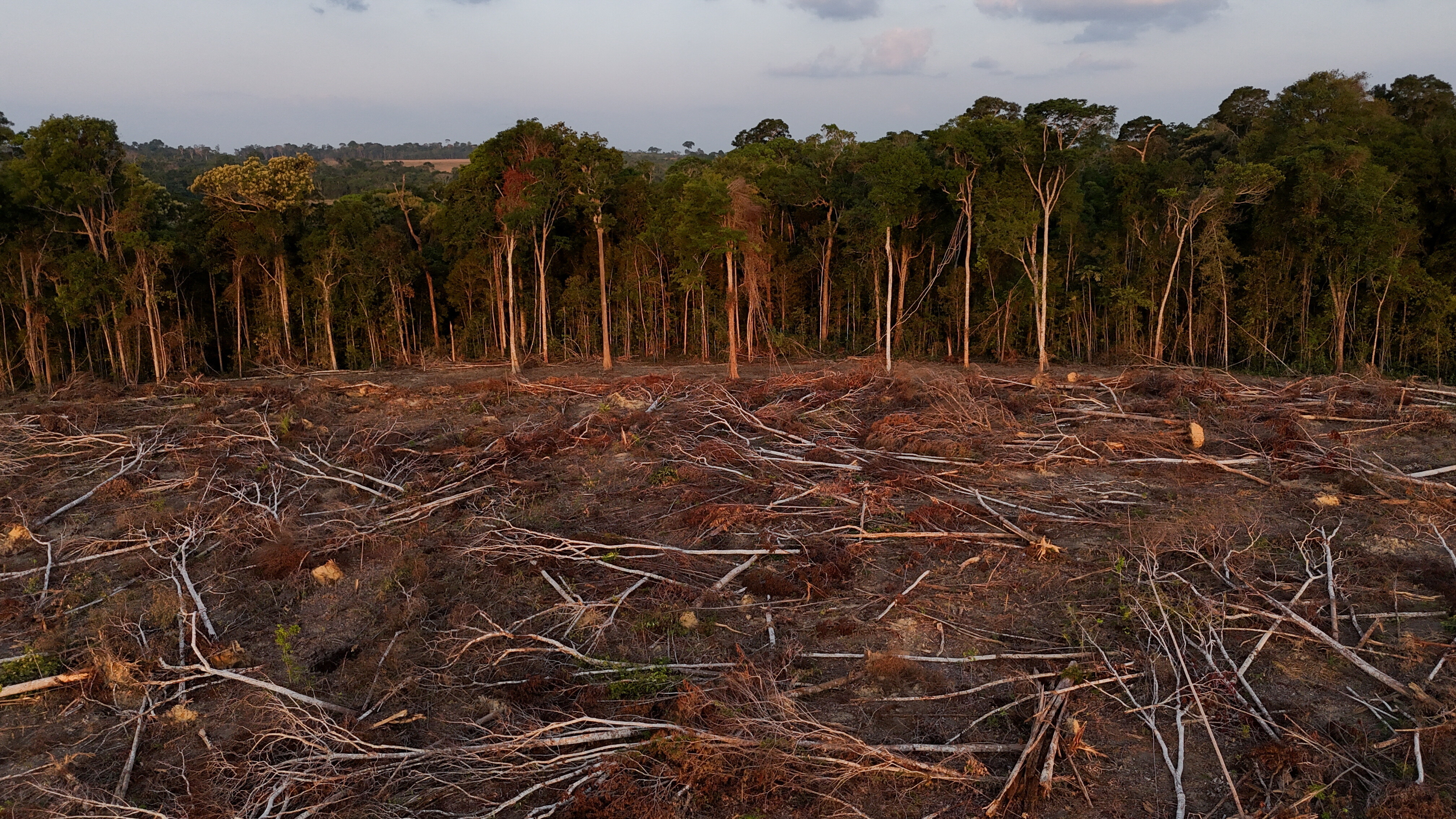
Monitored wildlife populations have fallen by an average of 73% since 1970, the WWF says. Image: REUTERS/Amanda Perobelli
- This round-up contains the key nature and climate news from the past month.
- Top news: Wildlife populations plunge; Climate damage estimates rise; El Niño heads for record strength.
1. Monitored wildlife populations down 73% as nations review nature targets
Monitored wildlife populations have fallen by an average of 73% since 1970, the World Wildlife Fund (WWF) warns in a new report. Its findings come ahead of the UN Biodiversity Conference in Yerevan, Armenia, later this month, where countries will for the first time review their progress on halting nature loss.
Freshwater species have fared worst, falling 85%, the Living Planet Report 2026 finds. Latin America and the Caribbean have seen the steepest regional decline, at 95%. Habitat loss, driven mainly by farming, is highlighted as the biggest threat.
The report also shows what coordinated action can achieve. Wild tiger numbers have risen by more than 70% since 2010, and green sea turtles are no longer classed as Endangered.
"It's not too late", Mike Barrett, WWF-UK's chief scientific adviser, told the BBC. "It's a closing window of opportunity, but it's still open, just, if we act now."
The challenge for delegates at COP17 in Yerevan, from 19 to 30 October, is to scale up those successes in time to meet the Kunming-Montreal Global Biodiversity Framework goal of halting and reversing biodiversity loss by 2030, including protecting 30% of the world's land and oceans.
Funding is predicted to be high on the agenda. The WWF says that, in 2023, around $7.3 trillion flowed into activities that harm nature, compared with $220 billion spent protecting or restoring it.
2. Climate damage could be far higher than previously estimated
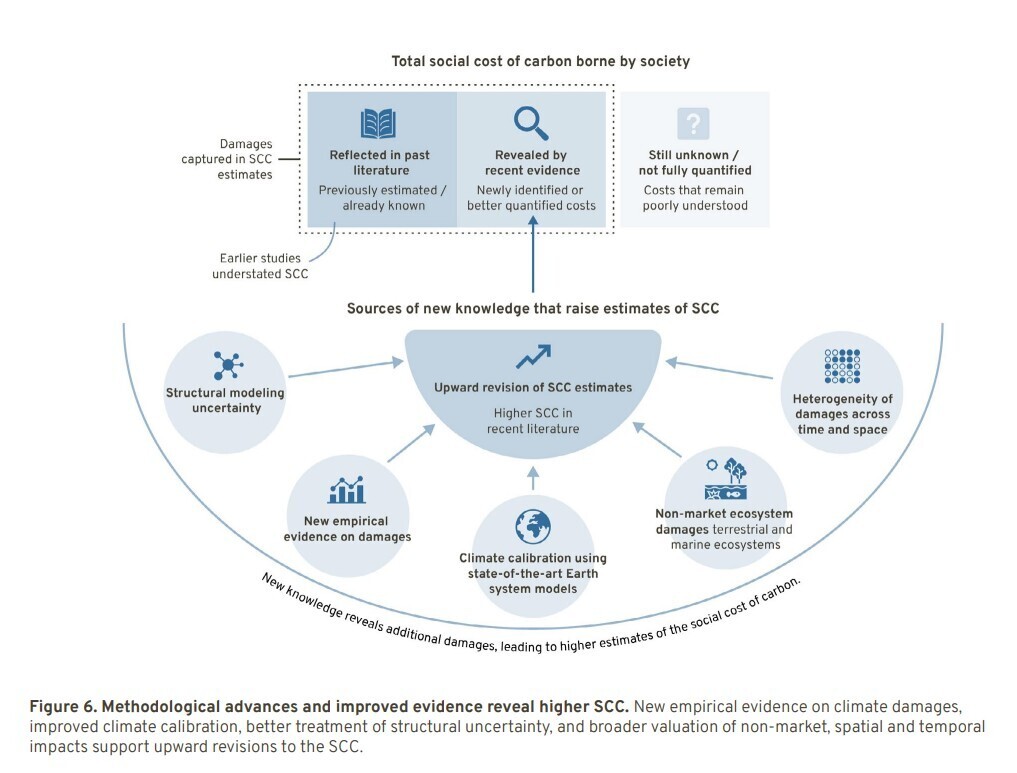
Each tonne of carbon dioxide could be doing up to four times more economic damage than previously estimated. And the science connecting those costs to specific emitters is advancing.
Those are two of the findings in the new 10 New Insights in Climate Science 2026/2027 report, which more than 70 scientists from nearly 30 countries contributed to.
One study it cites found that when global temperature is factored into economic models alongside local weather, projected losses under high warming by 2100 jump from around 11% to around 40% of GDP.
The report also finds that large fossil fuel and cement producers can be linked to 24% to 37% of sea-level rise to date.
"Attribution science is moving from 'climate change is happening' to 'this emitter contributed to this harm'," said Timothy Naish, Chair of the World Climate Research Programme. "This changes the conversation on accountability, liability and who should pay for the damages we are already seeing."
Other key takeaways include:
- The rate of global sea-level rise has doubled over the past 30 years.
- Ocean heat content hit a record for the ninth year running in 2025, locking in further warming.
- Around three-quarters of the world's population lives in 101 countries that have been losing freshwater since 2002.
- Global temperatures in 2025 were about 1.43°C above pre-industrial levels.
The report was published to inform negotiators ahead of COP31 in Antalya, Türkiye, in November. Chris Bowen, the Australian minister who will preside over the talks, told France24 the summit's final text should signal the need to keep 1.5°C within reach,"against the backdrop of the scientific evidence that we will overshoot it".
3. News in brief: Other top nature and climate stories
El Niño is strengthening rapidly and is forecast to peak in December, with sea-surface temperatures in the central and eastern tropical Pacific expected to reach a record 3.7°C above normal in October-December, according to the World Meteorological Organization (WMO). The event is likely to persist through February 2027 at almost 100%, the WMO says, warning it could be one of the strongest El Niños since at least 1950 and increase the risk of extreme heat, drought and floods.
Food waste generates up to 10% of global greenhouse gas emissions – five times more than the entire aviation sector – as rotting food in landfills releases methane, according to the UN Environment Programme. More than 1 billion meals go uneaten each day, while 28% of the world’s agricultural land is used to produce food that is never eaten.
Swiss glaciers lost more than 5% of their ice volume in 2026, with some glacier tongues thinning by up to 10 metres over the summer. The latest figures come as Arctic sea ice also records another historically low annual minimum, highlighting continued losses across the world’s frozen regions.
Millions of hectares of protected tropical ecosystems overlap with mining concessions and oil and gas blocks, putting the global goal of protecting 30% of the planet by 2030 at risk, researchers say. Oil and gas blocks encroach on more than 61 million hectares of protected zones, while mining concessions overlap another 42.7 million hectares, raising questions over whether conservation targets are meaningful without stronger protection from industrial development.
The rapid expansion of data centres is prompting governments and technology companies to look for ways to curb their energy and water use, Reuters reports. New efficiency standards, renewable power requirements, air cooling and recycled water are among the measures being explored as the industry seeks to make its AI infrastructure more resource-efficient.
4. More on the nature and climate crisis from Forum Stories
More than 100 CEOs are calling for faster progress on the low-carbon transition ahead of COP31 in Türkiye. In this video, leaders from Novonesis, IKEA, Philips and the World Economic Forum explain why they see the transition as a strategic economic opportunity – and what policymakers can do to unlock innovation, investment and market growth:
The low-carbon transition is becoming a business opportunity, not just a climate imperative. In this article, the World Economic Forum’s Alliance of CEO Climate Leaders explores how green markets, energy security and resilience are creating new avenues for growth – and what governments and businesses can do to close the gap between ambition and delivery.
Can AI’s biggest power users help accelerate the clean energy transition? The world’s leading hyperscalers have the scale and purchasing power to drive more investment in carbon-free energy, improve efficiency and help bring climate solutions to market faster. But as AI demand surges, how they power that growth will be just as important.
License and Republishing
World Economic Forum articles may be republished in accordance with the Creative Commons Attribution-NonCommercial-NoDerivatives 4.0 International Public License, and in accordance with our Terms of Use.
The views expressed in this article are those of the author alone and not the World Economic Forum.
Forum Stories newsletter
Bringing you weekly curated insights and analysis on the global issues that matter.
More on Climate Action and Waste Reduction See all

Eleanor Ross
October 13, 2026


