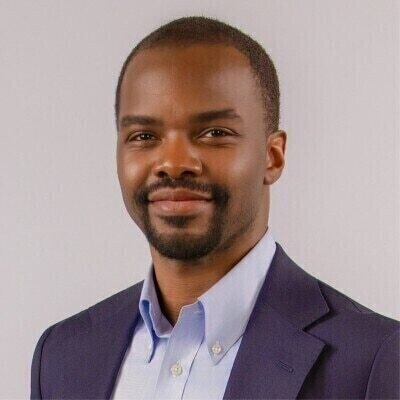
David Sangokoya is the Head of Civil Society and Responsible Governance at the World Economic Forum, based in Geneva. As part of the Forum’s work in fostering global cooperation, the Civil Society and Responsible Governance team works to help leaders navigate trust, accountability and stakeholder complexity in an increasingly fragmented global environment. The team manages the Forum’s global engagement with civil society communities (including NGOs, labour unions, faith based organizations and grassroots leaders), and advances multistakeholder initiatives focused on business integrity and trust, labour rights, forced labour and responsible business conduct, including the Partnering Against Corruption Initiative (PACI), the Global Data Partnership Against Forced Labour, Business and Labour Dialogues, and a number of Global Future Councils spanning related topics.
Prior to the Forum, David worked at the intersection of human rights, sustainable development and responsible digital transformation. He previously led research and multistakeholder collaborations on data responsibility and the governance of data sharing and AI at Data-Pop Alliance, a global coalition created by Harvard, MIT Media Lab and the Overseas Development Institute. He also worked as a data for good researcher at the Governance Lab and on justice and humanitarian innovation research with community organizations and social enterprises in conflict affected countries. He graduated with an MPA from NYU and a BA Hons from Stanford University.