


Civil Society
集団的インテリジェンスが、強制労働防止に果たす役割
強制労働は、私たちが直面する最も根深い人権課題の一つであり続けています。約2,800万人が、様々な産業、国境を越え、グローバルサプライチェーンの奥深くで、依然として強制的な労働に囚われています。各国政府、企業、市民社会、労働者団体、国際機関は、それぞれが単独ではなく連携して、強制労働を終わらせる役割を担っています。
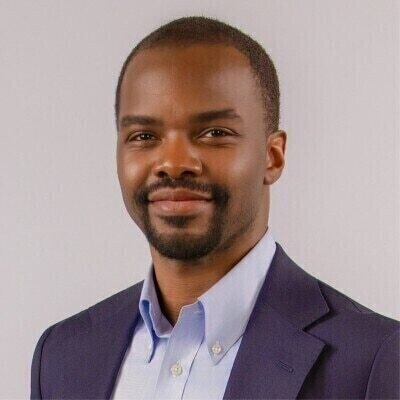
David Sangokoya is the Head of Civil Society and Responsible Governance at the World Economic Forum, based in Geneva. As part of the Forum’s work in fostering global cooperation, the Civil Society and Responsible Governance team works to help leaders navigate trust, accountability and stakeholder complexity in an increasingly fragmented global environment. The team manages the Forum’s global engagement with civil society communities (including NGOs, labour unions, faith based organizations and grassroots leaders), and advances multistakeholder initiatives focused on business integrity and trust, labour rights, forced labour and responsible business conduct, including the Partnering Against Corruption Initiative (PACI), the Global Data Partnership Against Forced Labour, Business and Labour Dialogues, and a number of Global Future Councils spanning related topics.
Prior to the Forum, David worked at the intersection of human rights, sustainable development and responsible digital transformation. He previously led research and multistakeholder collaborations on data responsibility and the governance of data sharing and AI at Data-Pop Alliance, a global coalition created by Harvard, MIT Media Lab and the Overseas Development Institute. He also worked as a data for good researcher at the Governance Lab and on justice and humanitarian innovation research with community organizations and social enterprises in conflict affected countries. He graduated with an MPA from NYU and a BA Hons from Stanford University.
強制労働は、私たちが直面する最も根深い人権課題の一つであり続けています。約2,800万人が、様々な産業、国境を越え、グローバルサプライチェーンの奥深くで、依然として強制的な労働に囚われています。各国政府、企業、市民社会、労働者団体、国際機関は、それぞれが単独ではなく連携して、強制労働を終わらせる役割を担っています。

The Global Data Partnership Against Forced Labour was designed to pull together a set of reinforcing levers that make collective impact possible.

Faith leaders came together at the Davos 2025, highlighting how religion, spirituality and values play an indispensable role in addressing global challenges.
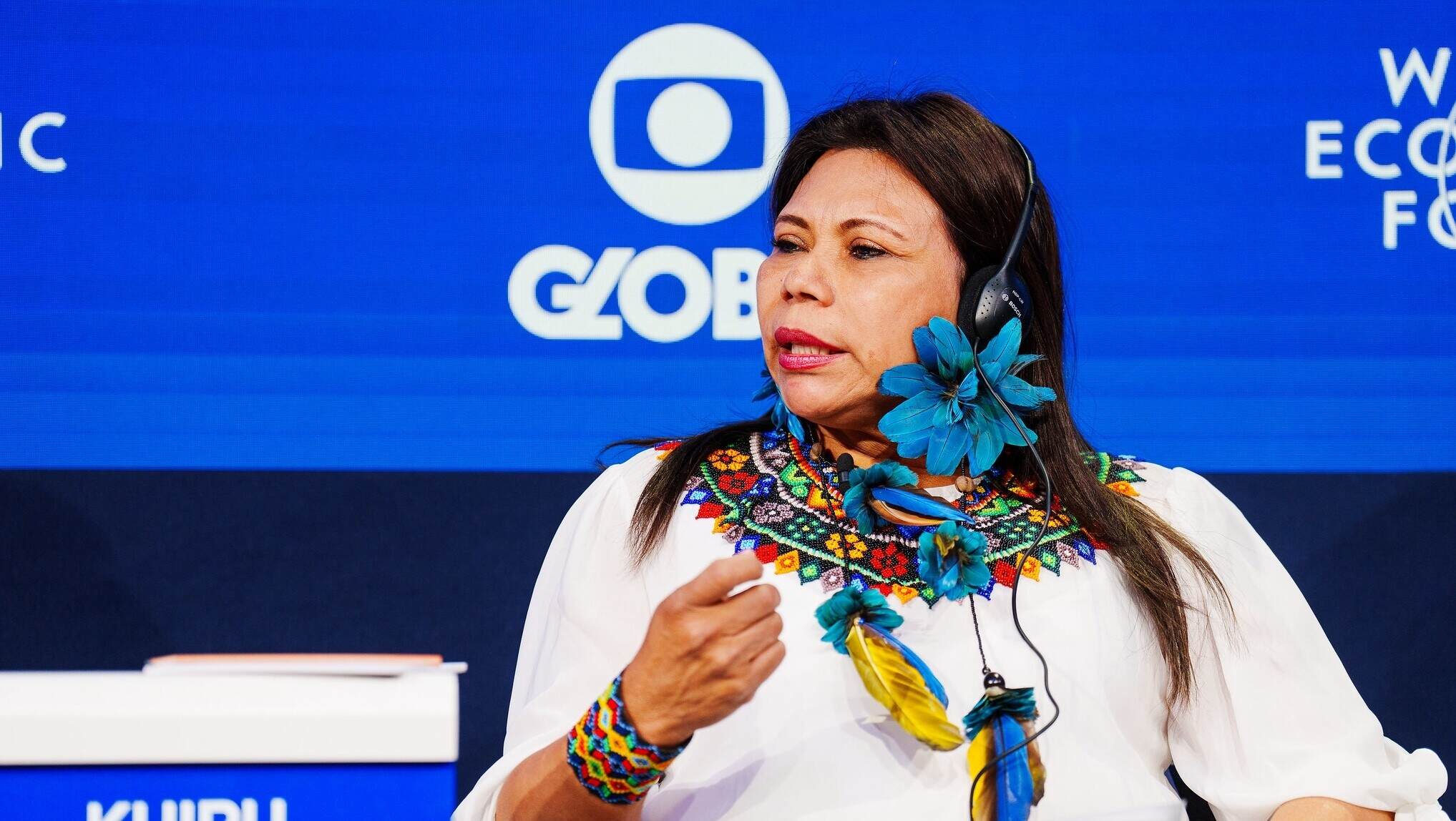
At this year's Annual Meeting in Davos, Indigenous leaders will present their knowledge and leadership for greater impact through public-private collaboration.

The World Economic Forum hosted a dialogue that explored ways to accelerate cooperation among the private sector, policy makers and labour unions in the United States.

Civil society organizations are at the forefront of addressing the equity and affordability challenges in the energy transition. Here's how they can help.

Con motivo del Primero de Mayo, los líderes sindicalistas han compartido con el Foro Económico Mundial la forma en que los gobiernos y la sociedad civil deberían responder a los retos más...

To mark May Day, union leaders have shared with the World Economic Forum how governments and civil society should respond to the world's toughest challenges.

Indigenous approaches to representation place emphasis on giving voice to the knowledge held by communities and scalability through knowledge sharing.

Davos 2023 se beneficiará de una gran cohorte de líderes indígenas intergeneracionales. Conoce a 8 de ellos, procedentes de Ecuador, Finlandia, Guatemala, Chad y otros lugares.

Global growth is slowing, and the economic outlook for 2023 indicates a recession. Workers the world over face stagnating wages and rampant inflation. Here's how trade unions are getting ...

Davos 2023 will benefit from a large cohort of intergenerational Indigenous leaders. Meet 8 of them, hailing from Canada, Finland, Chad and elsewhere.

Over 900 leaders from civil society — NGOs, faith groups and more — will attend the World Economic Forum's Davos meeting 2023. Here are their priorities.

When Indigenous peoples’ rights, cultural responsibilities and knowledge systems are not sufficiently recognised, investors introduce unnecessary risks.

Pensar a corto plazo no resolverá la crisis climática. Debemos pensar a largo plazo y de forma sistémica. Este principio indígena podría ayudarnos a hacer exactamente eso.


