


Cybersecurity
Cybersecurity is no longer just a technical challenge – it's a leadership one
The widespread scale of cybercrime now makes it a strategic imperative for business leaders. But they can't simply focus on systems protection.
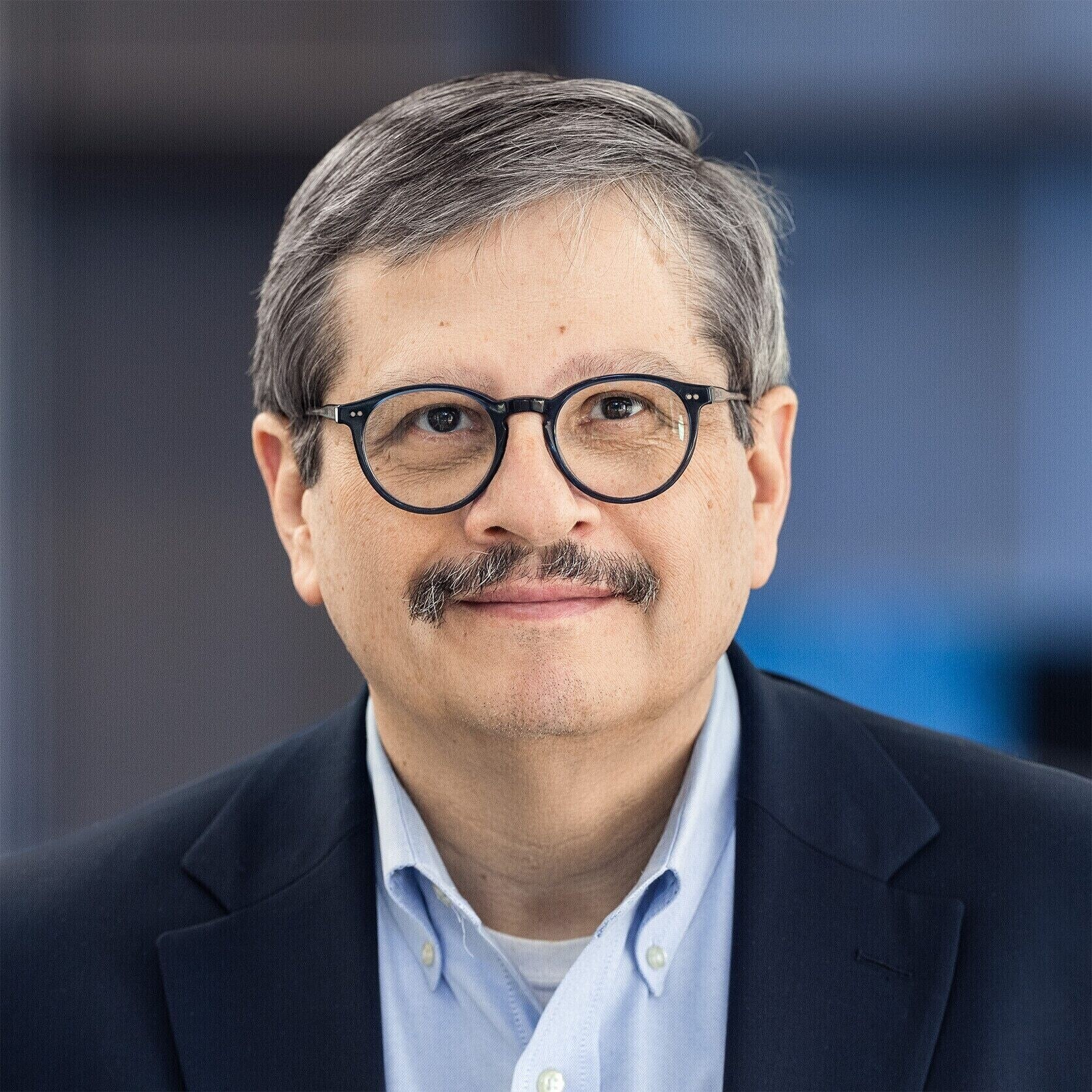
Sami Khoury recently retired from the Government of Canada after more than thirty years in signals intelligence and cyber security, most recently as the Government of Canada Senior Official for Cyber Security.
During Canada’s 2025 G7 presidency he co-chaired the G7 Cybersecurity Working Group. He co-chairs the World Economic Forum’s Global Future Council on Cybersecurity and Aspen Digital’s Global Cybersecurity Group. He has spoken at the Munich Cyber Security Conference and other international events, on the evolution of the threat landscape, the convergence of state activity and cybercrime, private-public partnership and post-quantum cryptography.
From 2021 to 2024, Sami led the Canadian Centre for Cyber Security, Canada’s national technical authority for cyber security. Under his leadership the Centre responded to some of the most consequential cyber incidents in recent Canadian memory and issued joint advisories with CISA, Five Eyes and international partners.
He joined the Communications Security Establishment in 1992 as a research engineer and rose over three decades assuming the role of Chief Information Officer and Assistant Deputy Minister. That arc gives him an unusually long view of how the threat landscape has shifted.
Sami holds a Bachelor’s degree in Computer Engineering and a Master of Applied Science from Concordia University, works in both official languages, and has received the Queen Elizabeth II Diamond Jubilee Medal and the APEX Award of Excellence for Innovation.
The widespread scale of cybercrime now makes it a strategic imperative for business leaders. But they can't simply focus on systems protection.

Reframing governance to handle the challenges of AI means defining desired outcomes and working backwards to the required mechanisms.
