


Wellbeing and Mental Health
A generation adrift: Why young people are less happy and what we can do about it
A combination of social, economic, technological and ecological pressures are robbing young people worldwide of optimism.

Recipient of the British Council's Outstanding Achievers Award for Social Impact. Dr. Ruma is a senior global health strategist with close to two decades of experience driving health equity, digital health innovations, and large-scale immunization programs across emerging markets. She currently leads the Mental Health Initiative at the World Economic Forum partnering with over 50 global organizations for workplace wellbeing. Her work with the International Red Cross strengthened COVID-19 preparedness across 38 APAC country offices, while her evaluation of India’s Universal Immunization Programme (UIP)—the world’s largest immunization program—benefitted 26 million children and 30 million pregnant women annually.
Dr Ruma is also the Founder of Samarpann (https://samarpann.org/), an NGO working for health and education of over 40,000 children in rural India. She is an adjunct professor at Manipal University, writes vociferously on social impact as an international columnist, and is a Chevening Fellow at the University of Oxford.
A combination of social, economic, technological and ecological pressures are robbing young people worldwide of optimism.

Prioritizing women's mental health is a strategic imperative — good for the bottom line and women in the workplace. Here are four ways to bolster it today.

La pérdida de productividad debida a la depresión y la ansiedad cuesta 1 billón de dólares al año. En este Día Mundial de la Salud Mental, examinamos cómo la colaboración de las partes in...

En el Día Mundial de la Salud Mental, es fundamental que las partes interesadas colaboren para que los niños puedan navegar por Internet dando prioridad a su bienestar mental.

Lost productivity due to depression and anxiety costs $1 trillion each year. This World Mental Health Day, we look at how collaborative efforts from stakeholders can improve well-being.

On World Mental Health Day, it is vital stakeholders work together to empower children to navigate the internet while prioritizing their mental wellbeing.

Más de la mitad de los jóvenes profesionales de 22 a 27 años buscaron ayuda por problemas de salud mental en el último año. Para actuar sobre este problema, tenemos que entenderlo.

在过去的一年中,51%的22至27岁初入职场的大学毕业生曾因情绪或心理健康问题寻求帮助。移民群体和有色人种等弱势群体的心理健康问题更为严重。教育机构和用人单位的利益相关者之间的对话可有助于改善这一状况。

51% of young professionals aged 22 to 27 sought assistance for mental health issues within the past year. To act on this problem, we need to understand it.

Cada año se pierden unos 12 000 millones de días de trabajo a causa de la depresión y la ansiedad. Las organizaciones pueden ayudar a gestionar la salud mental en el lugar de trabajo.

Roughly 12 billion working days are lost every year to depression and anxiety. Here's how organizations can help to manage mental health in the workplace.

Infectious diseases are a burden felt disproportionately by the world's less wealthy countries. Addressing this problem requires data — but good data isn't easy to come by.

Achieving universal health coverage in a country the size of India requires a localized approach. Here's how Meghalaya state is leading the way with a preventative model.

Developing nations, though low emitters, are affected by climate change most – which is why the sustainability and social justice struggles are the same
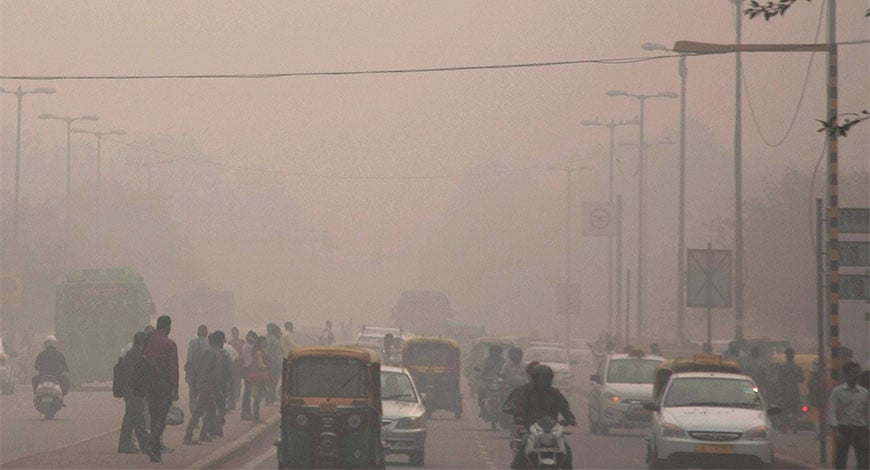
India pollution research shows that particulate matter pollution reduces life expectancy more than communicable diseases. Here's a three-pronged, comprehensive plan to accelerate zero emi...


