

Emerging Technologies
器官芯片、类器官和AI建模如何终结动物试验?
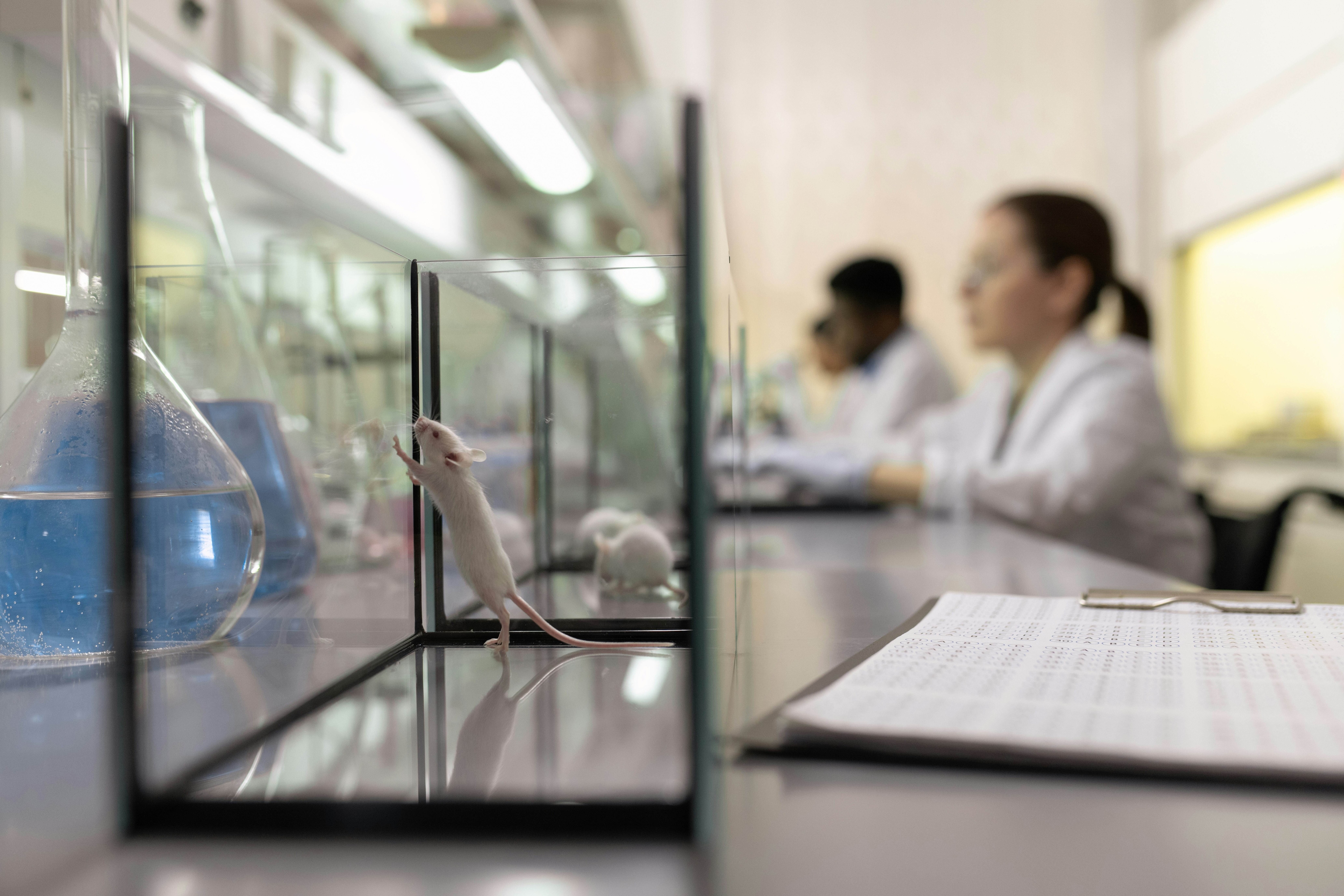
超过95%通过临床前动物试验的候选药物,最终在人体临床试验中失败。人类类器官、器官芯片与机器学习模型,如今提供了更为精准的数据驱动型预测工具。逐步淘汰默认使用的灵长类动物模型,将推动制药管线的现代化,并加速对未来大流行病的应对能力。
Co-Founder and Co-Chief Executive Officer of Parallel Bio, building human immune system organoids to replace animal testing in drug development. Before founding Parallel Bio in 2021, served as Director of Strategy and Research Development at Stanford University School of Medicine’s Institute for Immunity, Transplantation, and Infection, overseeing a $100 million scientific portfolio and managing eight large- scale research and development programmes. Work in global health includes leading vaccine programmes in partnership with GSK, the National Institutes of Health and the Danish government. Completed postdoctoral training at Stanford, holds a PhD in immunology from the University of Pittsburgh and a BS from the University of Illinois at Urbana-Champaign.
超过95%通过临床前动物试验的候选药物,最终在人体临床试验中失败。人类类器官、器官芯片与机器学习模型,如今提供了更为精准的数据驱动型预测工具。逐步淘汰默认使用的灵长类动物模型,将推动制药管线的现代化,并加速对未来大流行病的应对能力。
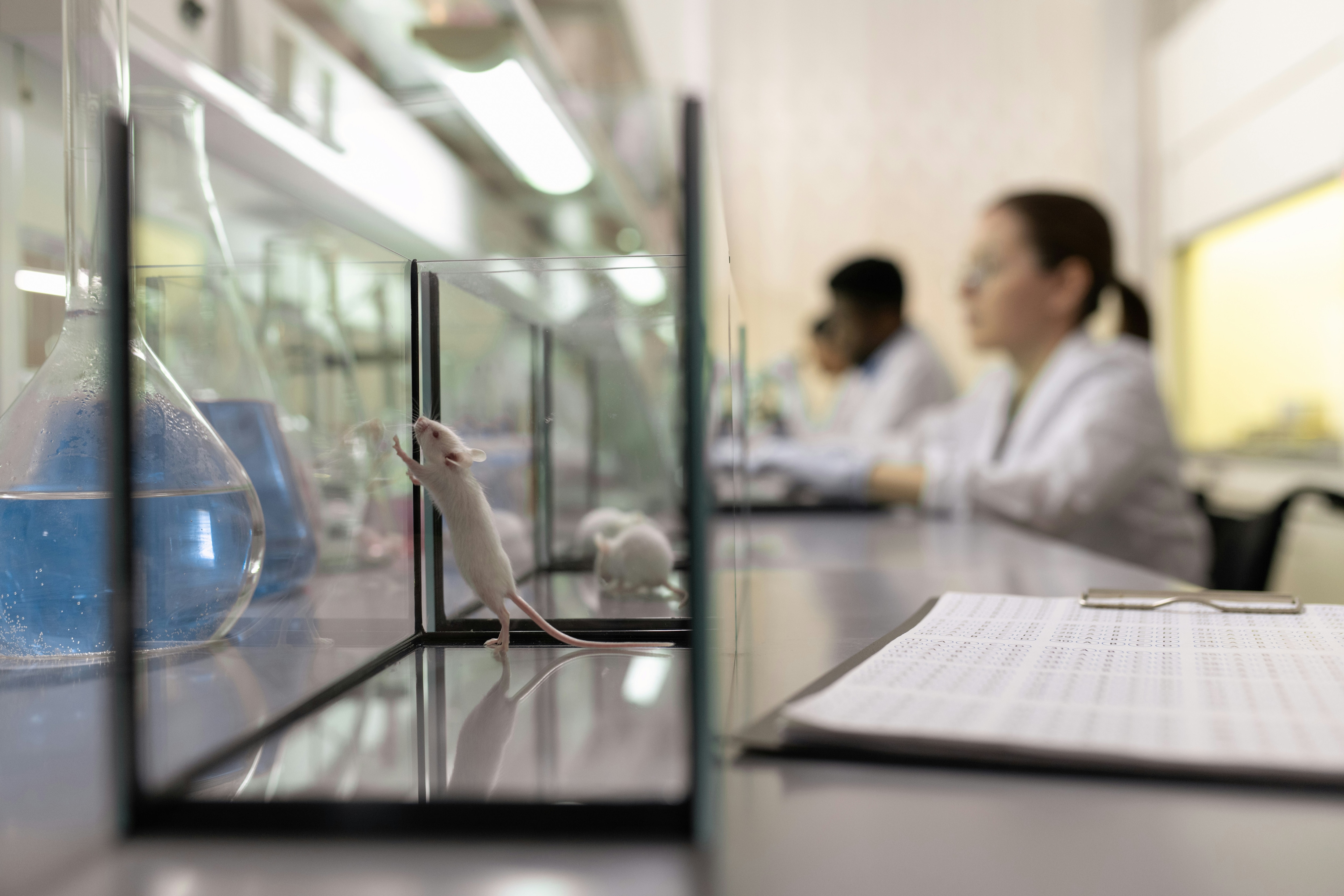
Primate testing is no longer the scientific gold standard. Here is why the pharmaceutical industry must commit to a human-first timeline by 2030.
