

Artificial Intelligence
AI时代劳动力转型的中国经验
中国在从人工智能(AI)应用到实现可持续生产力提升方面的经验,为世界其他地区提供了蓝图。颠覆性变革阶段已经展开,但更广泛的挑战在于重新设计工作流程,以最大限度地发挥AI增强技术带来的效益。
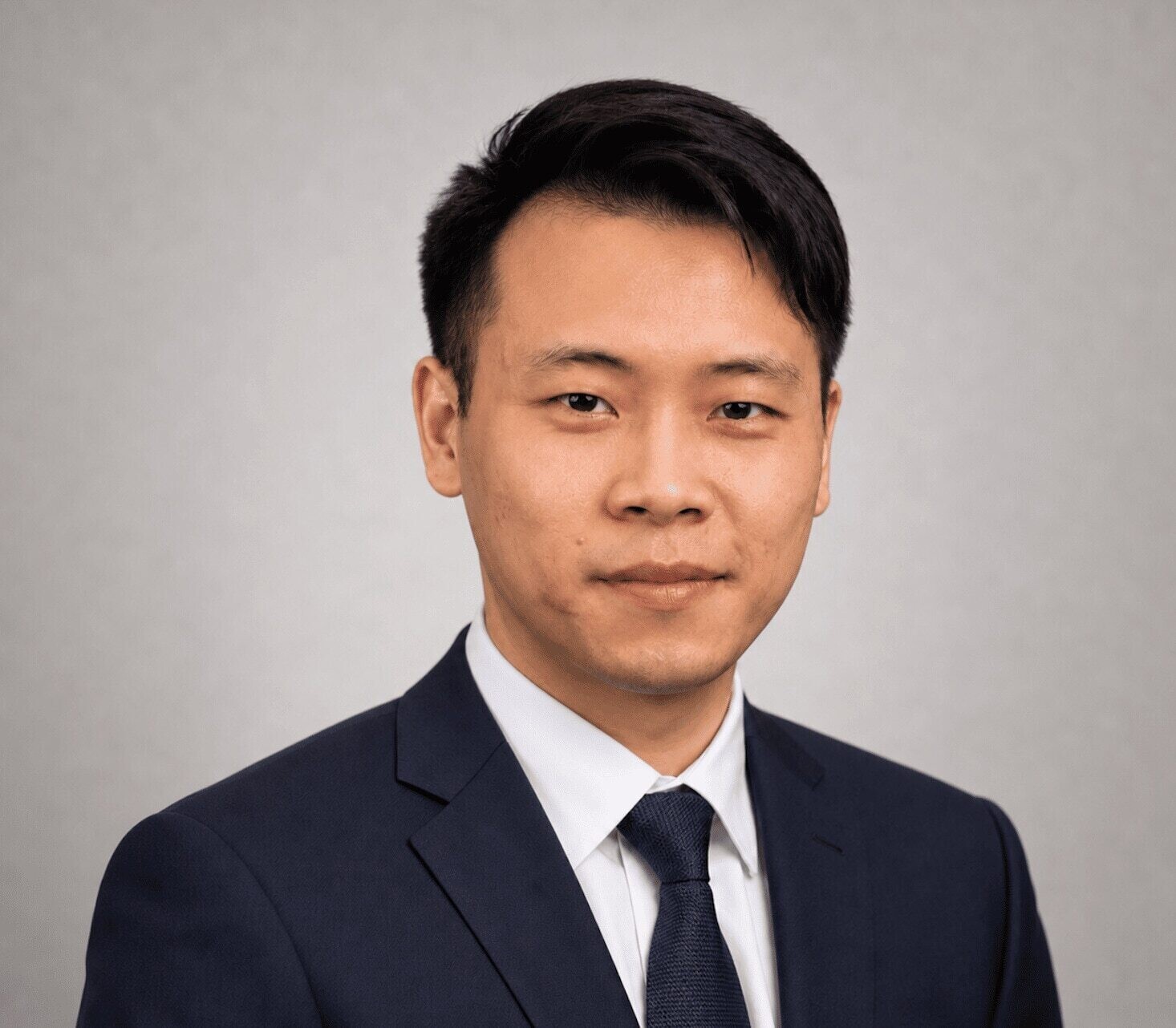
Qiqing He is a Chinese AI workforce transformation strategist and founder of the Global AI Governance & Workforce Transformation Policy Observatory (gaeedu.org). His work focuses on a central question: as AI redesigns work, what capabilities will people need, how should organizations redesign roles and workflows around them, and how can governments build the transition infrastructure needed to turn adoption into productivity and opportunity?
Based in China, he works across policy, enterprise transformation and workforce development, using China’s fast-moving AI ecosystem as a field of evidence while translating lessons between China and the wider world. His research combines policy intelligence, enterprise cases, field interviews and applied tools, with particular attention to entry-level work, reskilling, capability assessment and human-AI collaboration.
He has conducted hundreds of interviews with business, policy, education and technology leaders and developed an AI Fluency and Workforce Readiness Diagnostic that has reached more than 10,000 young people across 12 regions. In 2026, he spoke at the World Economic Forum’s Annual Meeting of the New Champions on Gen Z and the changing world of work, and published Forum analysis on how Chinese business leaders are responding to AI-driven workplace transition.
His current research focus on three connected questions: how AI is redesigning entry-level work and career development; how Chinese and Asian organizations are adapting roles, skills and management systems around AI; and how governments can build employment, skills and transition infrastructure alongside technological infrastructure.
Through the AIGW Policy Observatory, he develops China-focused policy intelligence, implementation research, workforce diagnostics and institutional dialogues, while connecting these findings with emerging experience across Asia and the Global South.
His broader goal is to help build a stronger evidence bridge between China’s AI transition and the global debate on the future of work.
中国在从人工智能(AI)应用到实现可持续生产力提升方面的经验,为世界其他地区提供了蓝图。颠覆性变革阶段已经展开,但更广泛的挑战在于重新设计工作流程,以最大限度地发挥AI增强技术带来的效益。
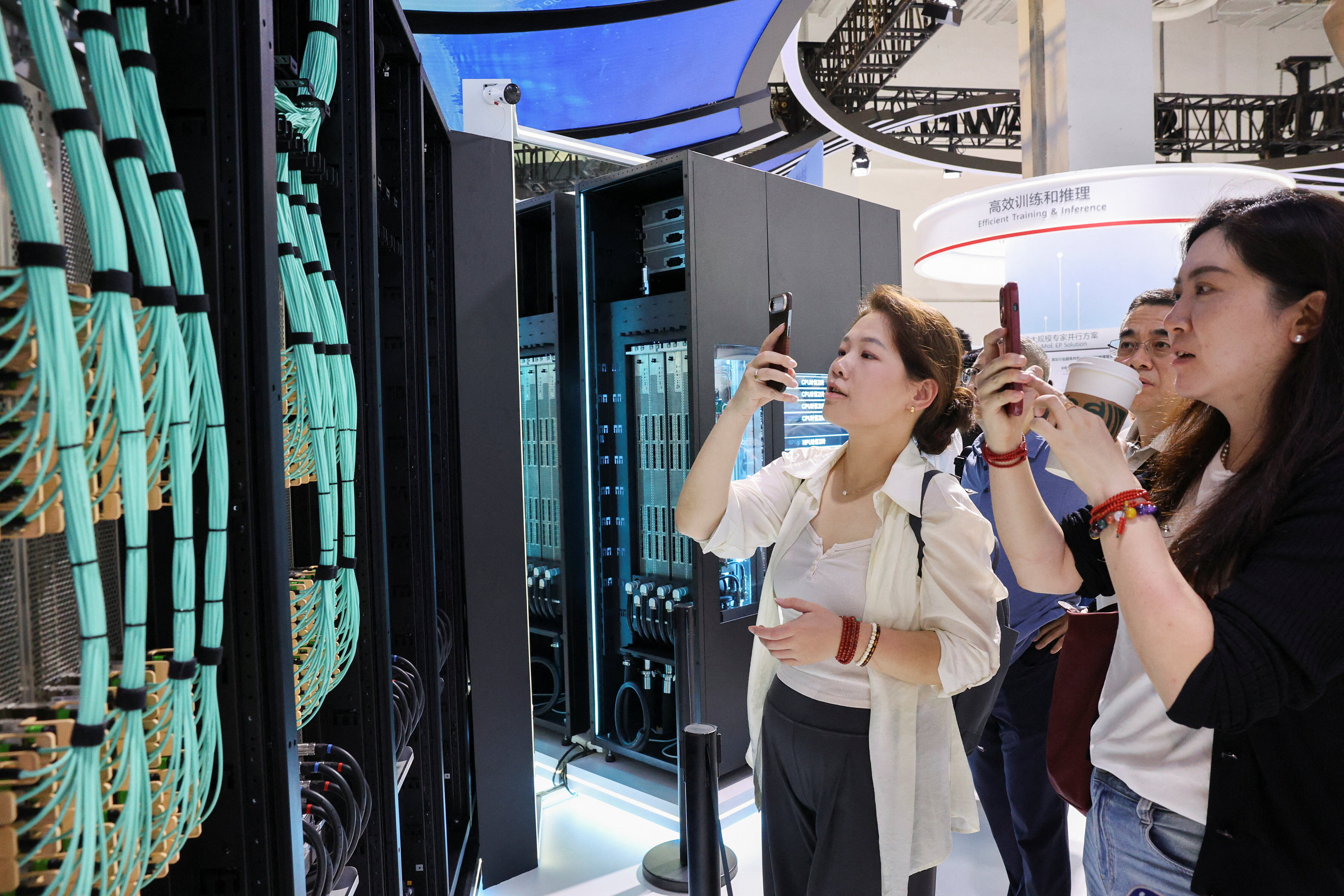
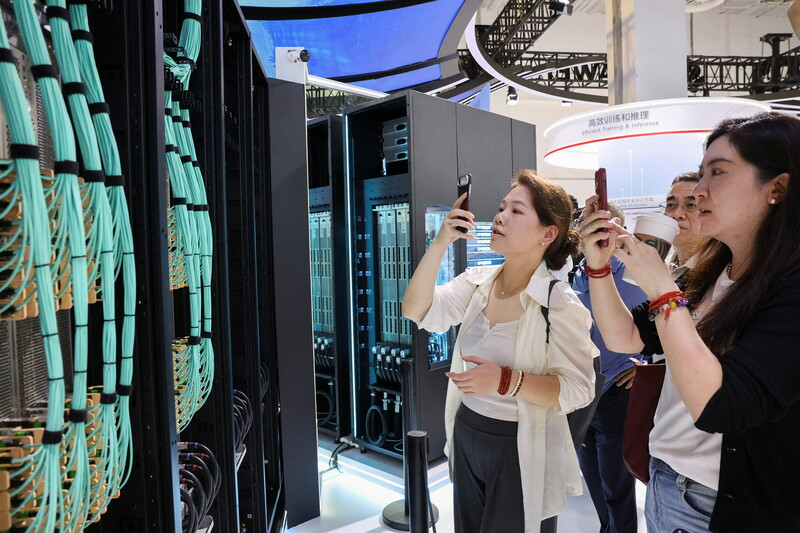
China's experience in moving from AI adoption towards durable productivity – in three distinct stages – offers a blueprint for the rest of the world

Global education systems are integrating artificial intelligence faster than the policy frameworks needed to guide them.

