
Artificial Intelligence
Net zero planning needs an AI update. COP31 is the right moment to do that
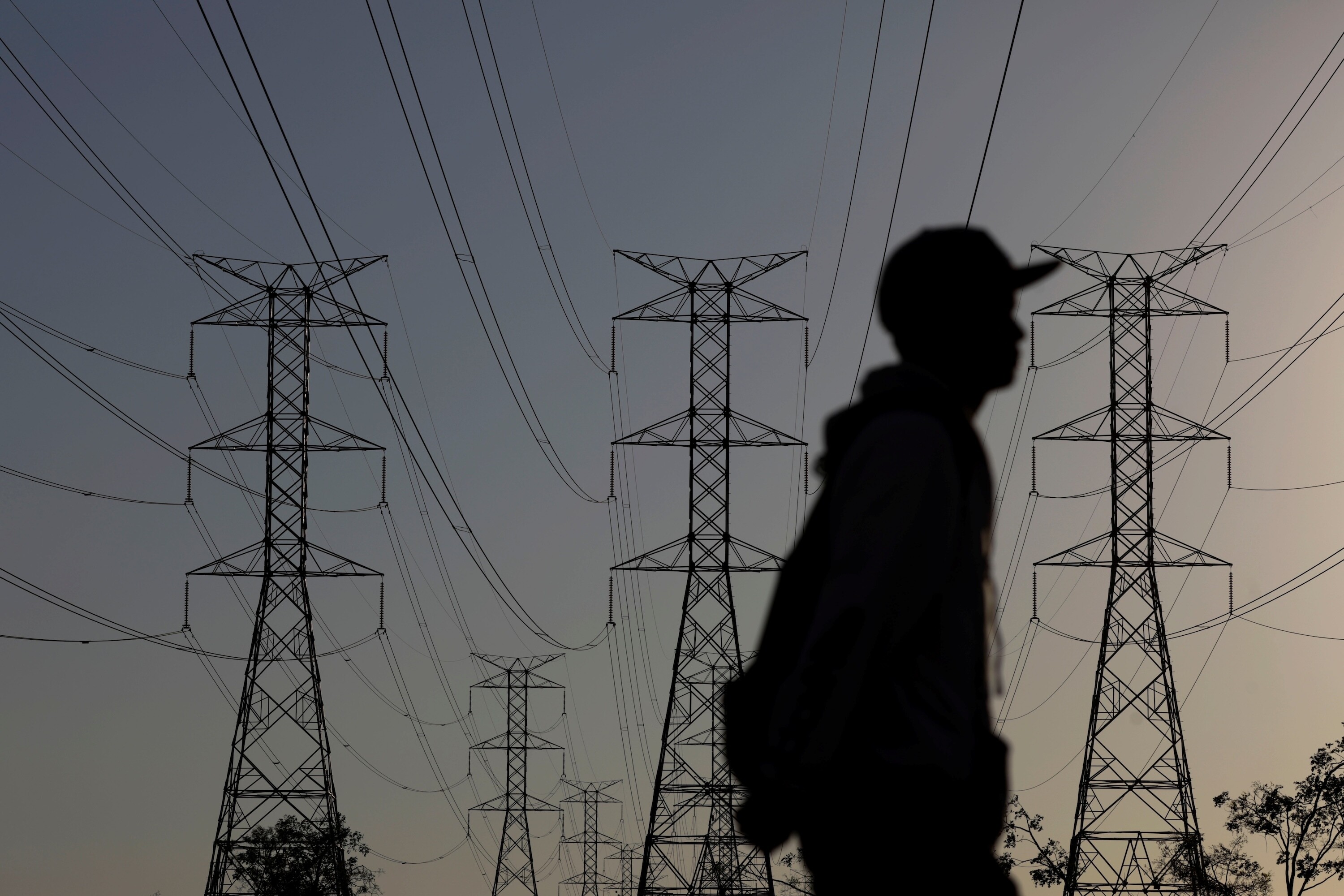
Artificial intelligence was not in the room when the world designed its net zero targets. COP31 in Antalya this November is the moment to bring it in.
Dr. Piyush Verma is a Senior Fellow at ORF America, where he leads the organization’s work on energy and climate policy. His research and advisory portfolio sits at the intersection of technology, economics, society, governance, and geopolitics, advancing policy solutions for a just and sustainable energy transition.
Prior to joining ORF America, Dr. Verma served as Chief Technical Advisor – Sustainable Energy at the UNDP Samoa Multi-Country Office, where he supported energy transition initiatives across the Pacific region. He also held the role of Senior Advisor – Energy Governance at UNDP New York, spearheading efforts to accelerate just energy transitions in over 170 countries.
Dr. Verma has contributed to the design and implementation of national energy and climate policies in India, New Zealand, Ireland, the United States, Vanuatu, and Niue. From 2021 to 2022, he chaired the Joint Task Force on Digitalization in Energy at the United Nations Economic Commission for Europe in Geneva, playing a pivotal role in establishing this platform to harness digital innovation for achieving net-zero ambitions across 54 countries in Europe and Central Asia.
Earlier, he was recognized as a Global Future Energy Leader by the World Energy Council in London — where he led and contributed to numerous international projects between 2018 and 2022 — earning a ‘Gold Badge’ for his collaborations that spanned over 50 countries.
A prolific author and commentator, Dr. Verma has published over 80 articles, reports, policy briefs, and op-eds on energy and climate policy. His insights have appeared in outlets such as The Times of India, DD News India, Irish Times, Irish Examiner, RTE Ireland, Irish Tech News, and The Sunday Times UK. He is a frequent speaker at high-level forums, having presented at major conferences and intergovernmental platforms in over 45 countries.
His contributions have been recognized with the Gold Level Leadership and Service Award from the University of Auckland in 2018 and the Young Achiever Alumnus Award from the National Institute of Technology, Jamshedpur in 2024. He is also a Senior Member of the Institute of Electrical and Electronic Engineers-USA.
Dr. Verma holds a PhD in Energy Technology and Policy from the University of Auckland, New Zealand; a Master in Public Administration as an Edward S. Mason Fellow from the Harvard Kennedy School of Government; a Master’s degree in Power System Engineering; and a Bachelor’s degree in Electrical Engineering from India.
Artificial intelligence was not in the room when the world designed its net zero targets. COP31 in Antalya this November is the moment to bring it in.
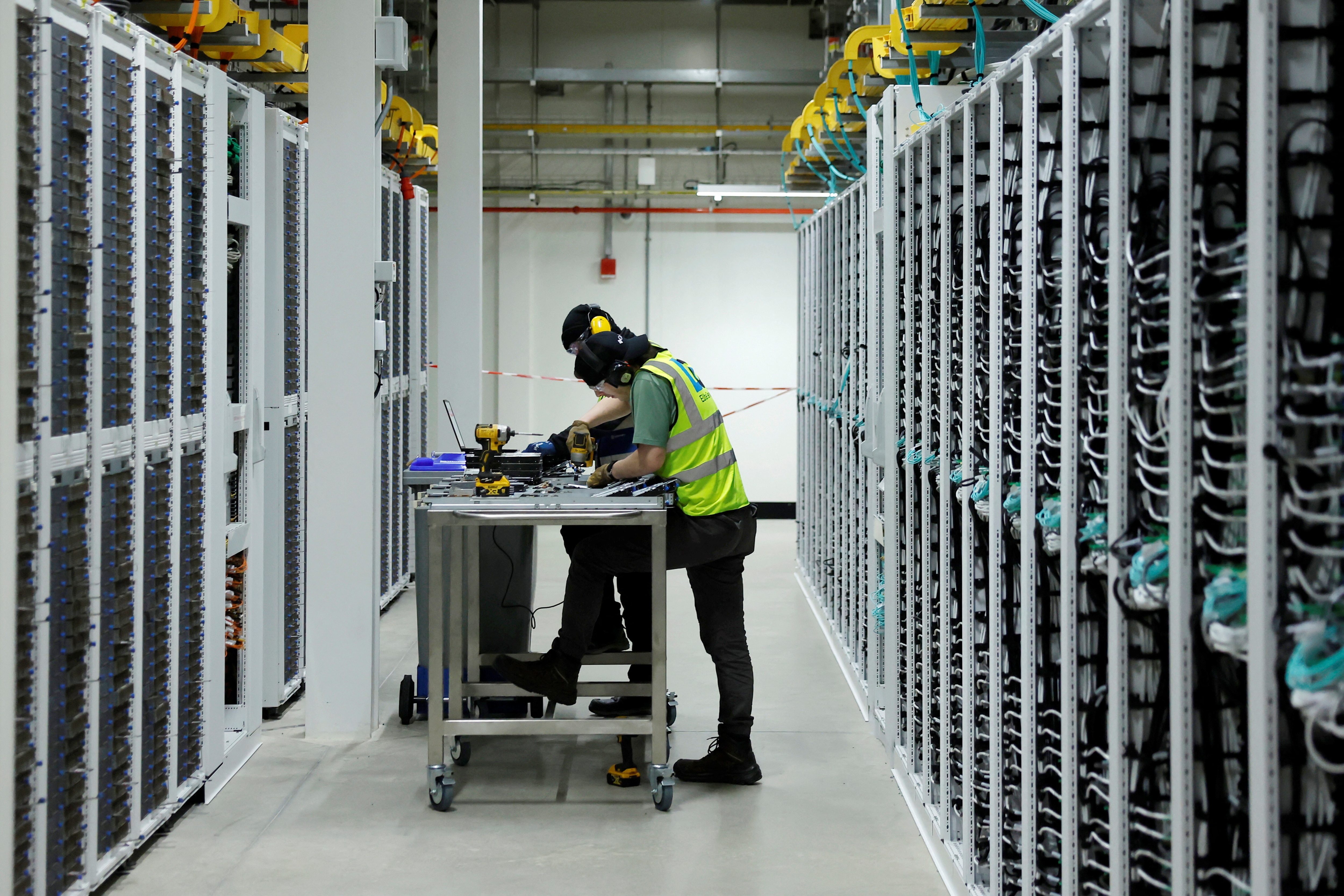
AI could cut energy costs by up to 10 percentage points and save 13 exajoules by 2035. The barriers holding the energy sector back are known and fixable.
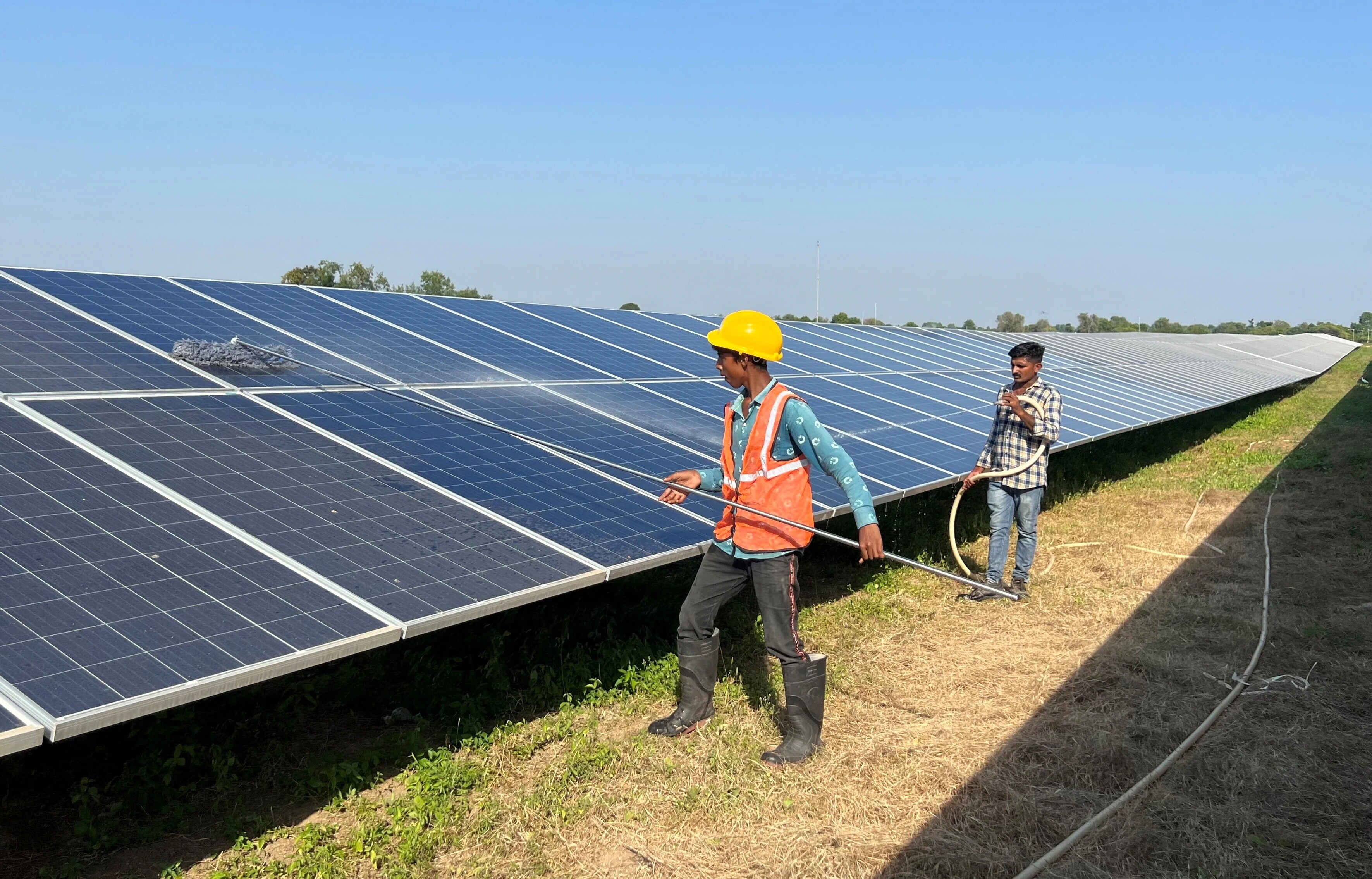
India ha expresado formalmente su intención de ser sede de la COP 33 en 2028. India podría destacar cómo el desarrollo y la descarbonización pueden avanzar juntos.
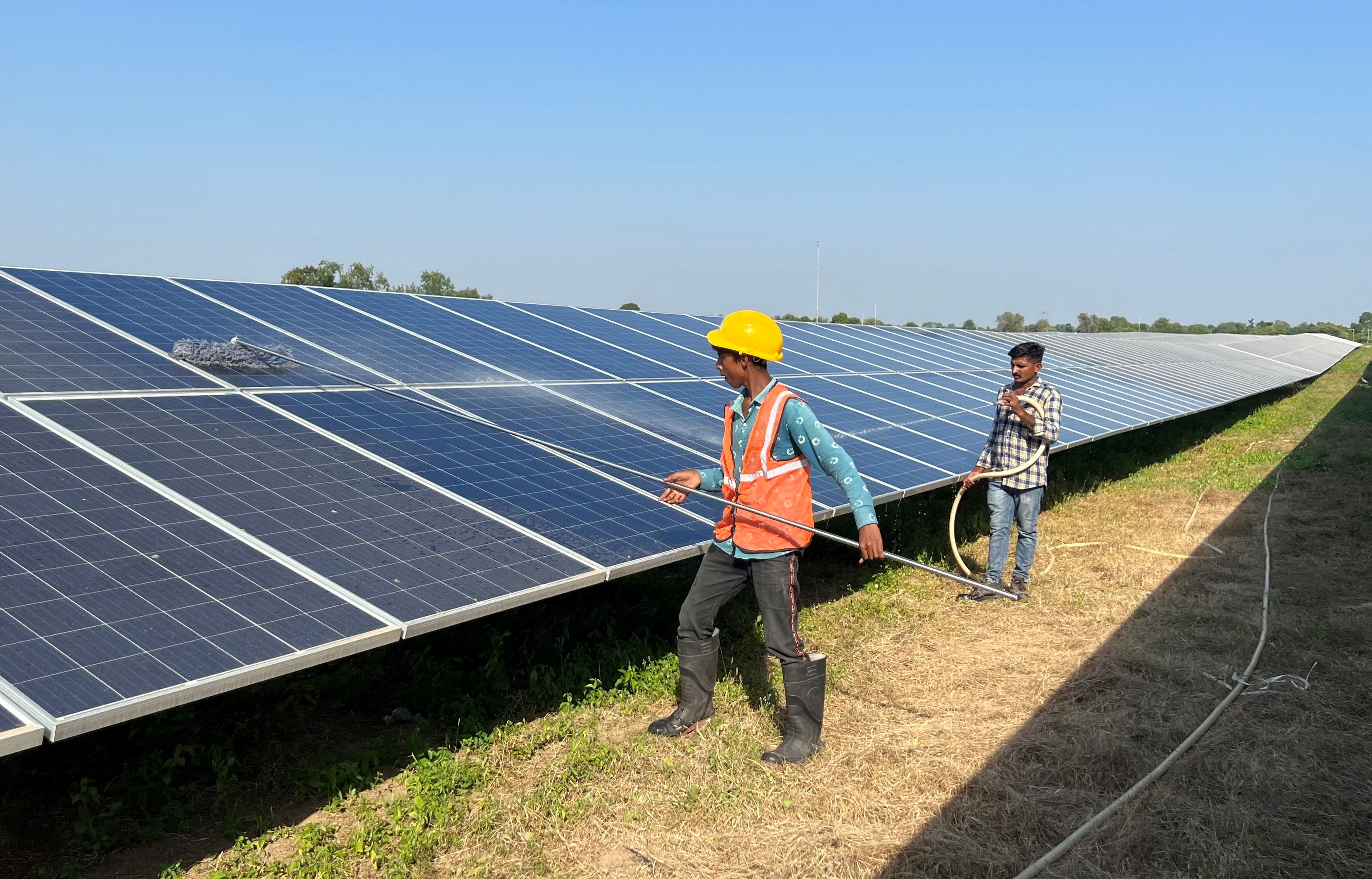
India has now formally expressed its intention to host COP 33 in 2028. India could highlight how development and decarbonization can advance together.
Al alinear estrategias, escalar soluciones y hablar con una sola voz, IBSA+Indonesia puede ayudar a impulsar un futuro energético global justo, resiliente y multipolar.
By aligning strategies, scaling solutions and speaking with one voice, IBSA+Indonesia can help drive a just, resilient and multipolar global energy future.

A medida que los países avanzan hacia un mundo con cero emisiones netas, el volumen de módulos solares, aspas de turbinas y baterías de iones de litio desechados está aumentando.

As nations accelerate towards a net-zero world, the volume of discarded solar modules, turbine blades and lithium-ion batteries is surging. What can we do?

Discover the three essential governance approaches needed to drive the transition to renewable energy.


