

Food, Water and Clean Air
多重冲击如何威胁全球粮食生产?
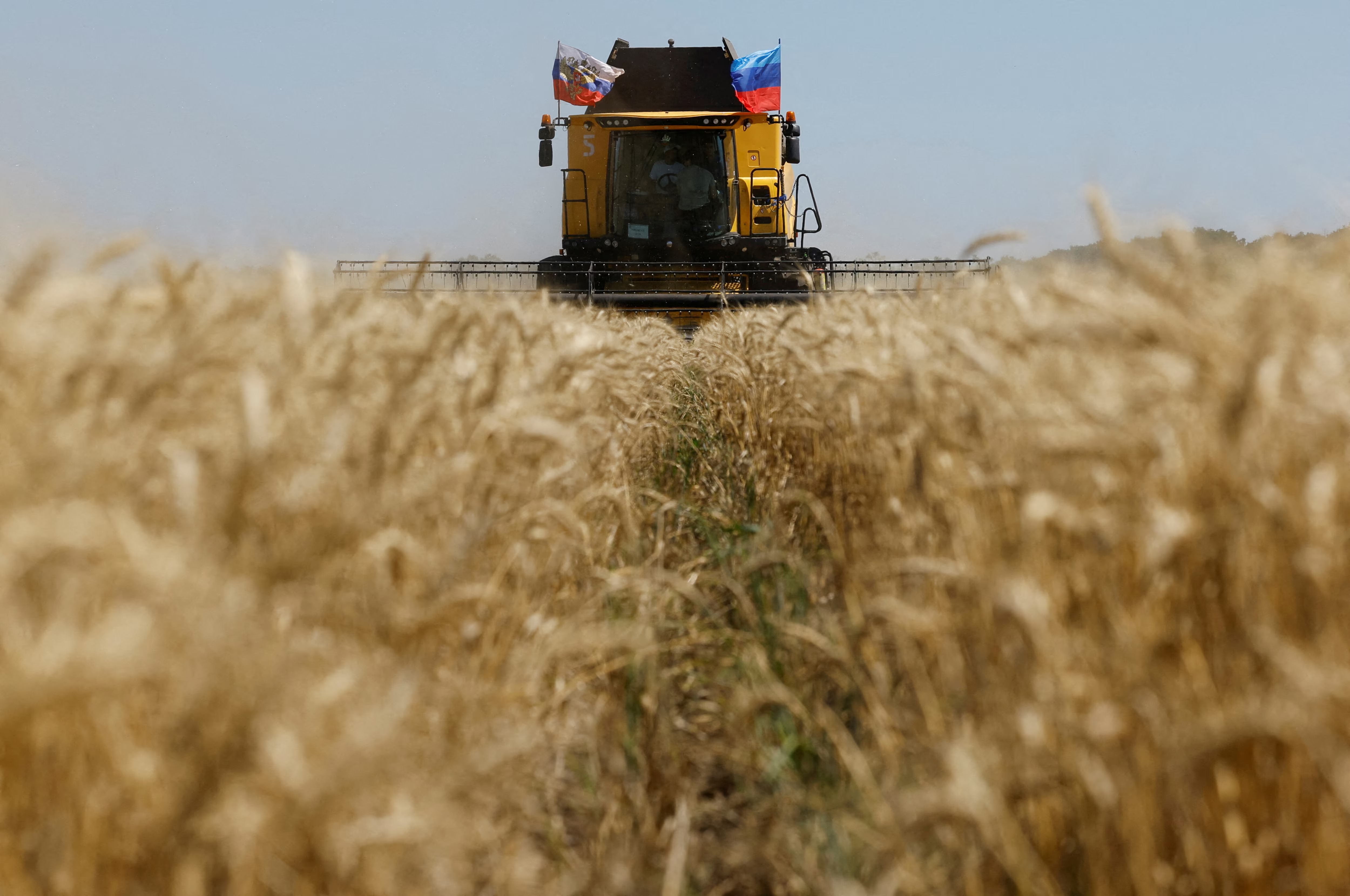
霍尔木兹海峡的供应中断凸显出,全球经济韧性取决于能否接入并利用相互联通的系统。如今,粮食安全的影响因素已超出单纯的农田范畴,涵盖能源、化肥、物流、金融和地缘政治等外部因素。

Memia Fendri leads the Resilient and Sustainable Value Chains portfolio at the World Economic Forum’s Centre for Advanced Manufacturing and Supply Chains. In this capacity, she works with senior operations executives, policymakers and academics worldwide to analyze emerging trends and develop global insights and frameworks that help businesses and governments navigate shifts in global value chains while advancing economic, societal and environmental outcomes. Her work spans the codification of best-practice industrial policies that support national manufacturing competitiveness, as well as the development of private-sector strategies to strengthen value chain resilience and drive decarbonization.
Prior to joining the Forum, she held various engineering roles at Novartis across multiple international locations. Memia holds a Master of Science in Chemical Engineering from the Swiss Federal Institute of Technology Lausanne (EPFL).
霍尔木兹海峡的供应中断凸显出,全球经济韧性取决于能否接入并利用相互联通的系统。如今,粮食安全的影响因素已超出单纯的农田范畴,涵盖能源、化肥、物流、金融和地缘政治等外部因素。

ホルムズ海峡での混乱は、単なる新たなエネルギーショックではありません。これは、グローバル経済のレジリエンスが、個々の商品ではなく、相互に関連するシステムへのアクセスに依存していることを改めて認識させるものです。 食料安全保障はもはや農地だけではなく、エネルギー、肥料、物流、金融、地政学といった上流段階の要素によって形作られるようになっています。
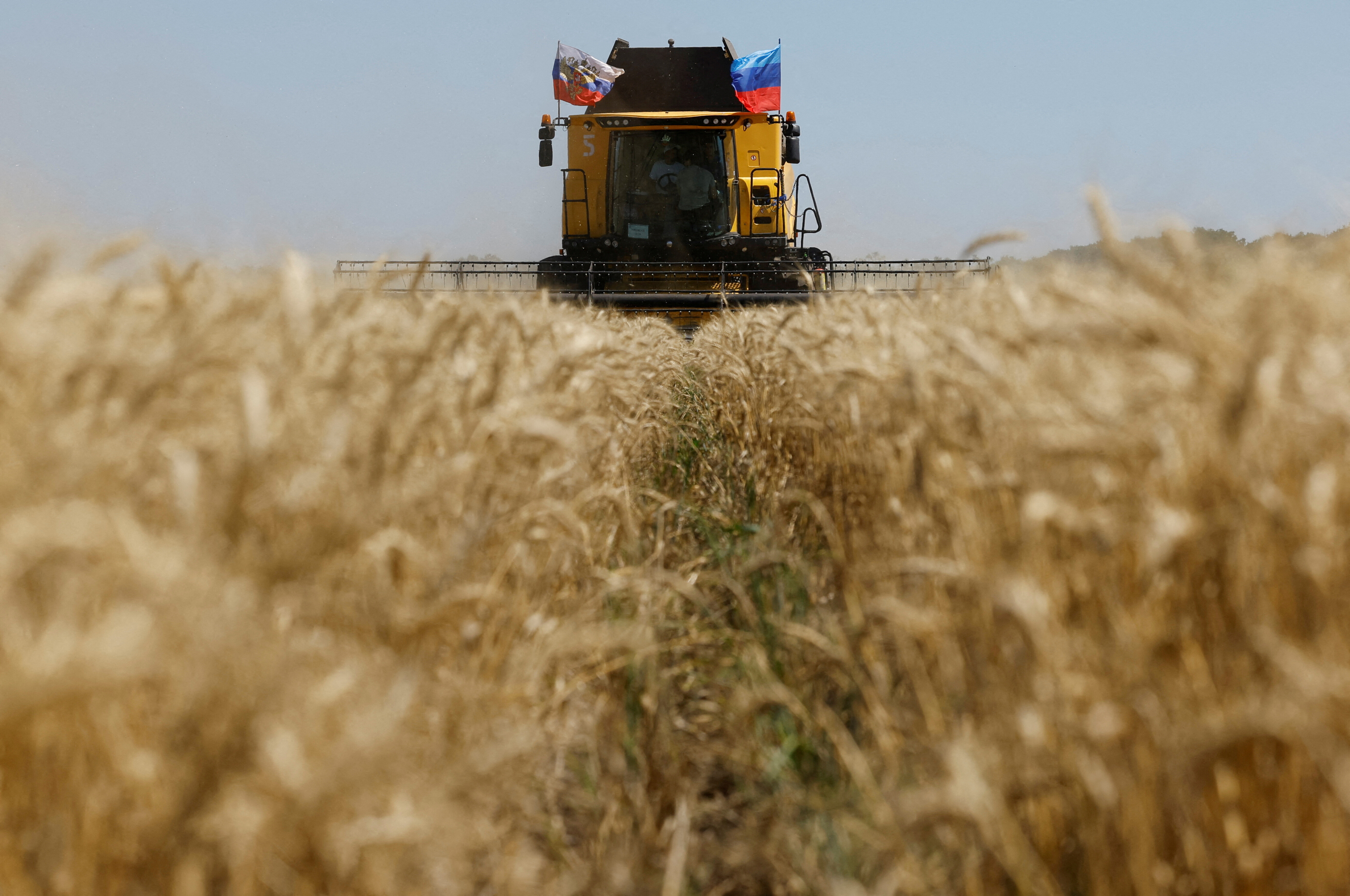
The Strait of Hormuz crisis stresses the interconnected nature of global resilience, with food security impacted by factors such as energy and geopolitics.

Encouraging a business investment mindset that acts on environmental sustainability and advances a company's net-zero journey can unlock three key benefits for SMEs.
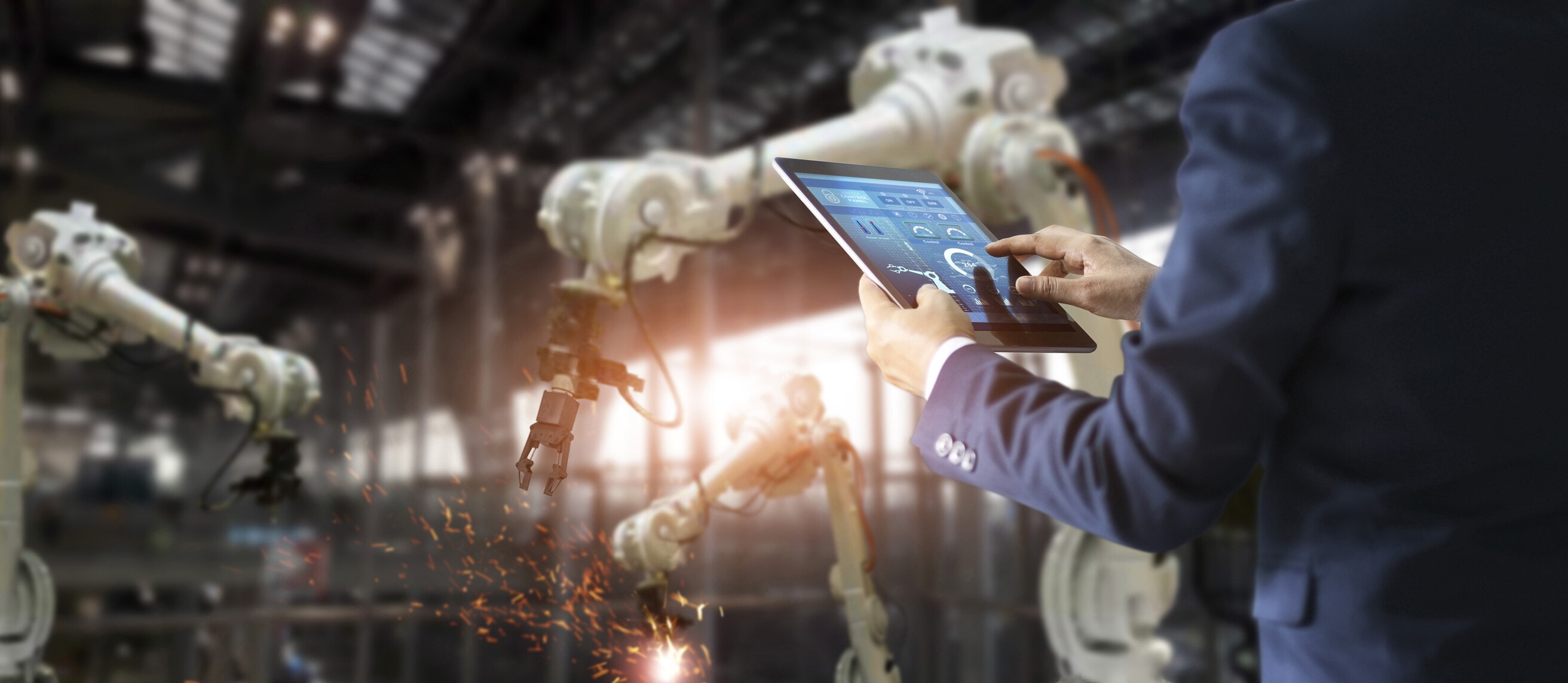
The US Center for Advanced Manufacturing outlines a workers' view on incorporating new practices into manufacturing in a human-centric and efficient way.

在制造业中有效地使用数据可以使企业更可持续,更有效益;但只有39%的制造业高管表示,他们成功将数据驱动的应用扩展至单一产品生产过程之外;世界经济论坛的“制造业数据卓越框架”为该行业开发分析新能力和新型伙伴关系提供了指南,为制造商提供了获取数据更大价值的参照手册。

製造業は、データ主導の革命を迎えようとしています。企業はハイパーコネクテッドなバリューネットワークで連携し、データ・分析アプリケーションを利用して生産性の向上、新しい顧客体験の開発、企業の社会的・環境的影響の改善に取り組んでいます。

Disruption to value chains is now the norm. To build resilience, firms must adapt their models in the short term — and transform them for the long term.

While most manufacturers have now begun their journey towards manufacturing data excellence, many are still struggling to capture significant value from it

The data-driven revolution in manufacturing will require the right actions, individually and collaboratively, to realize its full potential.

新型コロナウイルスのパンデミック(世界的大流行)により、医療機器、医薬品、その他の必需品の供給を中心に、製造業の社会的・経済的役割の重要性に対する認識が高まりました。しかし同時に、このパンデミックは、製造業に未曾有の経済的打撃をもたらし、コスト削減と透明性かつ柔軟性あるサプライチェーンの構築が急務となっています。

Companies must collaborate on analytics and data for a productivity increase, improved customer experience and societal and environmental societal impact.


