

Geo-Economics and Politics
四种未来情景,看懂2035年全球能源与竞争力格局
随着技术加速发展、地缘经济碎片化加剧以及能源格局不断演变,全球各产业正经历重塑,新的竞争格局由此形成。世界经济论坛新发布报告,探讨了到2035年四种可能出现的未来情景,分析不断演变的能源系统如何重新定义经济增长和竞争优势。

随着技术加速发展、地缘经济碎片化加剧以及能源格局不断演变,全球各产业正经历重塑,新的竞争格局由此形成。世界经济论坛新发布报告,探讨了到2035年四种可能出现的未来情景,分析不断演变的能源系统如何重新定义经济增长和竞争优势。
経済のエネルギー集約度が高まり、世界的な競争がますます複雑化する中、各国政府と企業は決定的な課題に直面しています。それは、ニューエコノミーにおいて競争するために必要なエネルギー、インフラ、そしてレジリエンスをいかに確保するかということです。今日下される選択が、2035年の競争環境を形作るでしょう。
There are four possible futures for how evolving energy systems could redefine growth and competition. We asked business leaders about anticipating what's next.
地政学的な激動、技術変革、多国間主義およびその機関に対する挑戦を経て、指導者たちは2026年に何を予想すべきでしょうか。 1,300人以上のグローバルリーダーたちを対象とする年次調査と、リスク専門家との協議に基づき作成された世界経済フォーラムの『グローバルリスク報告書2026年版』は、「競争の時代」に明確に移行したことを示しています。
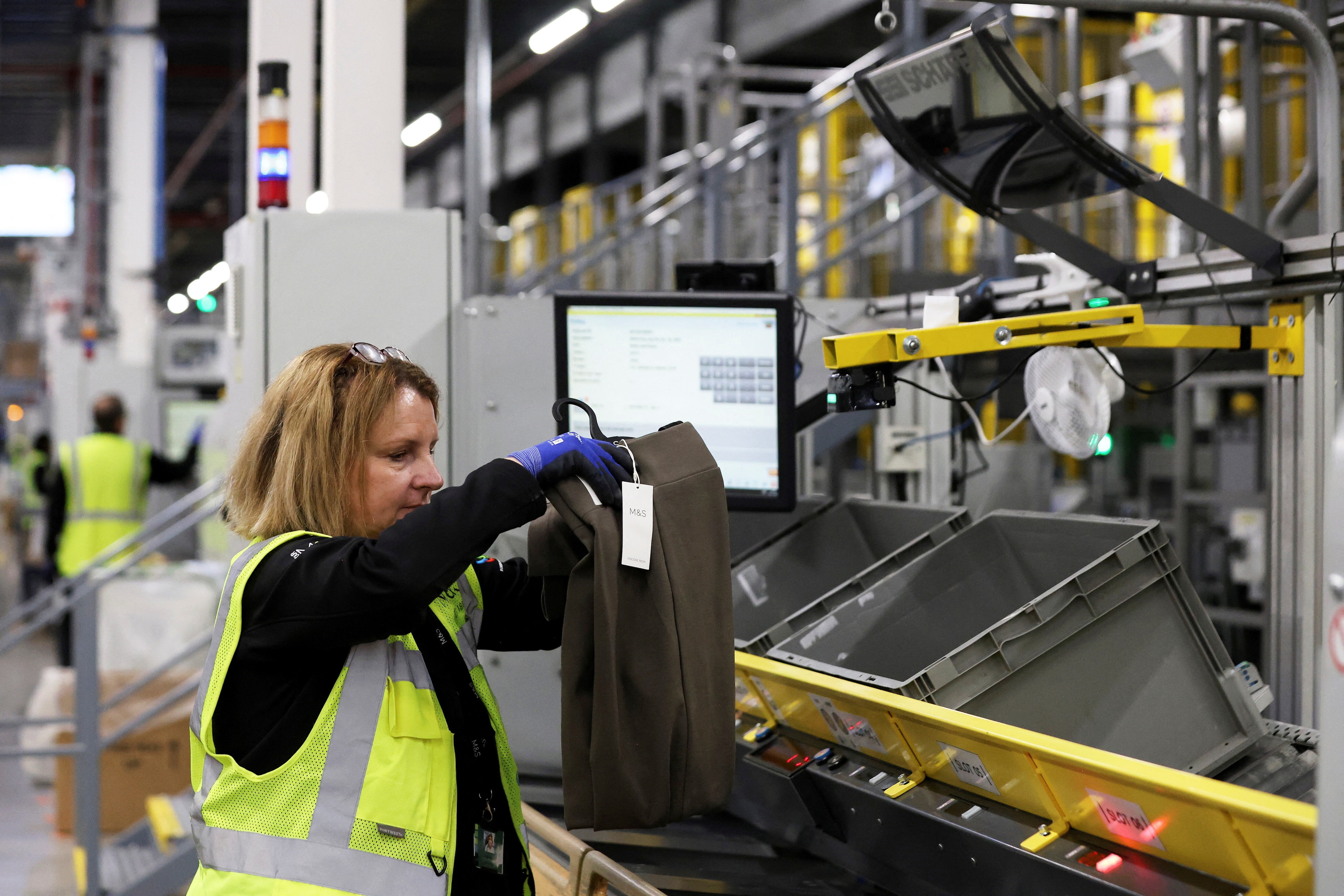
We asked top executives about the AI and talent trends shaping the future of jobs in their industry over a period of the next five years.
La fragmentación geoeconómica y las tecnologías avanzadas están transformando la economía global. Estos líderes comentan el impacto de estos cambios en sus respectivos sectores.
En un entorno de incertidumbre, la confrontación geoeconómica encabeza las amenazas a corto plazo, mientras que las crisis ambientales marcan la agenda mundial para la próxima década.
As the world faces uncertainty, geoeconomic confrontation is the main short-term risk, while environmental issues shape the long-term outlook, experts say.
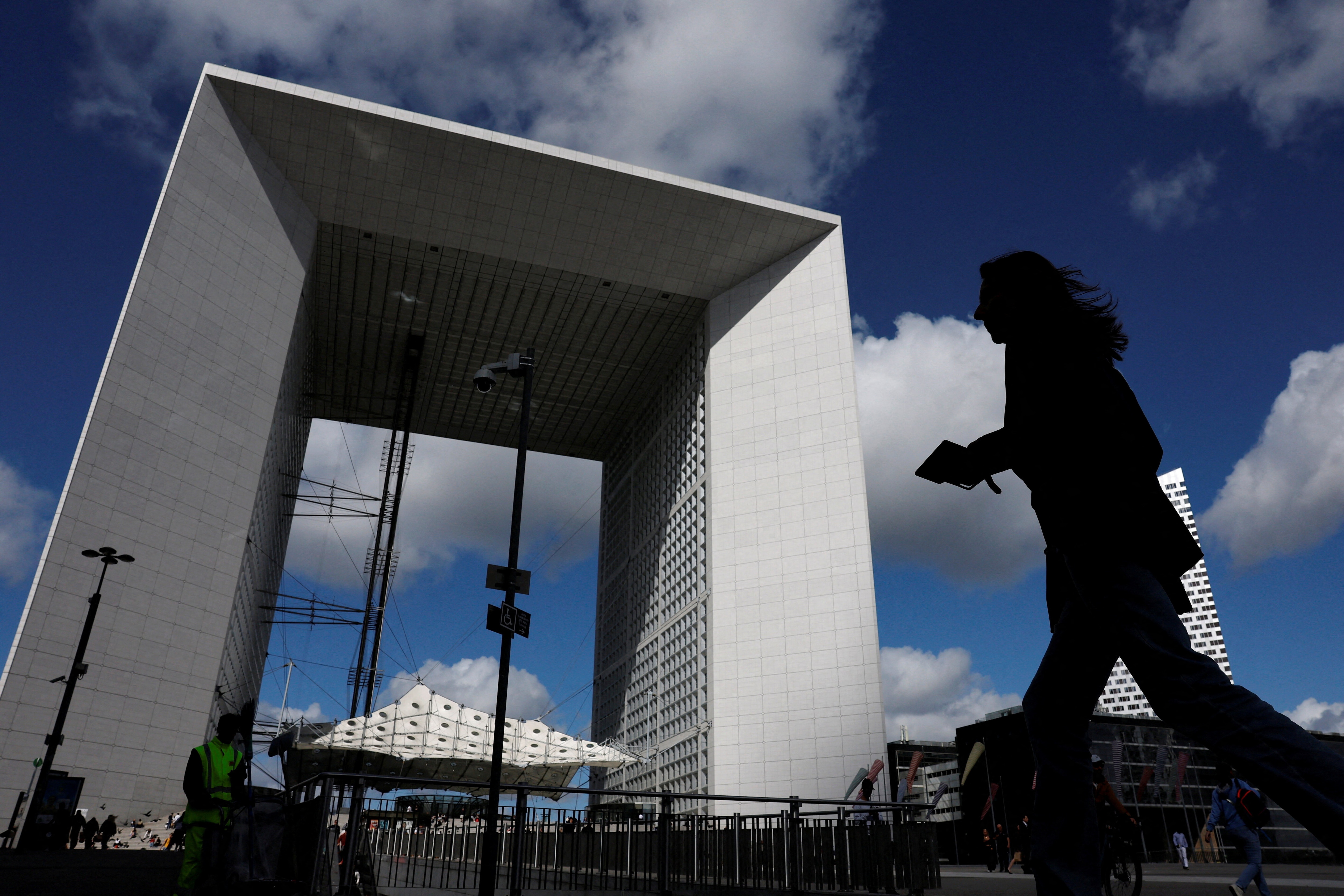
Geoeconomic fragmentation and advanced technologies are reshaping the global economy. We asked leaders to weigh in on what this means for their industries.

After a volatile and challenging 2024, the latest Global Risks report uncovers leaders’ key concerns – now and in the future. Here’s what you need to know.


