

Energy Transition
如何通过合作释放产业转型潜力,加速能源转型?
各行业正通过基础设施、能源体系、供应链以及投资决策日益紧密地相互关联。六项不依赖于具体行业的关键赋能因素,可以帮助各领域组织以更加务实且具备韧性的方式扩大转型规模。

Margi is a member of the Global Industries team and oversees Aviation, Travel & Tourism; Supply Chain & Transport; Manufacturing and Automotive Industries. Harnessing cross value chain leadership insight, our communities enable a collective response to building resilience, reimagining globalization, rewiring for AI, navigating the green transition, and addressing economic inclusion from a system and network level perspective.
Prior to joining the World Economic Forum, Margi served in global multi-national companies across express transport, supply chain, shipping, retail and healthcare sectors. Margi has worked in Europe, Africa, Asia and in the United States, serving both private and public-sector clients, and holds an MBA in International Business from the Institute for Management Development (IMD) in Lausanne, Switzerland.
各行业正通过基础设施、能源体系、供应链以及投资决策日益紧密地相互关联。六项不依赖于具体行业的关键赋能因素,可以帮助各领域组织以更加务实且具备韧性的方式扩大转型规模。
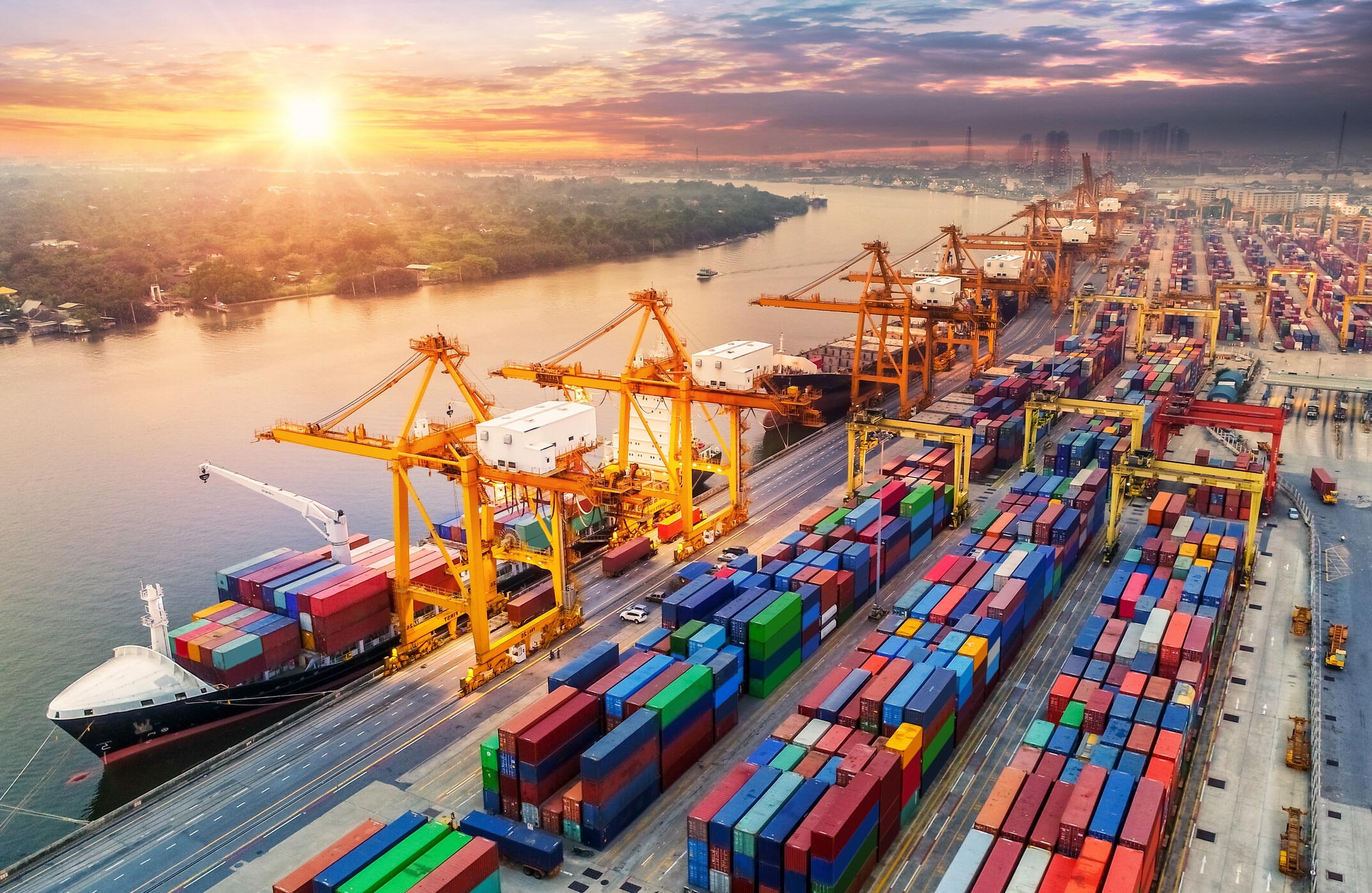
Industrial transformation via tech neutrality, affordability, regional strategies, consistent policy, market mechanisms and multi-energy infrastructure.

国際輸送サービスの要である貨物輸送業者(フォワーダー)は、効率向上を目的としてデジタル化を加速していますが、これによりサイバー脅威への脆弱性も増大しています。

As freight forwarders embrace digitalization, cyber threats grow. FIATA is boosting resilience with global guidance, training and cybersecurity tools.

Transport plays a key role in connecting global economies by facilitating global trade and economic activity, so we must ensure that it's cyber secure.

重工业和运输业是世界上污染最严重的行业,而能源转型对这两大行业的脱碳至关重要。然而,要想拥抱多燃料的未来,我们需要的不仅仅是新能源,还需要有韧性的数字和物理基础设施。发展以港口为依托的工业集群网络化基础设施将是能源和运输部门转型的关键。

Embracing a multi-fuel future needs more than just new energy sources – it needs resilient digital and physical infrastructure. Developing a networked infrastructure of port-anchored indu...

A digital twin is a dynamic, digital representation of an object or system that allows you to model complex processes and aids difficult decision-making.

Engaging public and private stakeholders in creating a data collaboration policy framework is a must for building resilience in the maritime supply chain.

Carbon markets can play a vital role in creating economic incentives for cutting carbon emissions during the green transition for industries such as freight.

El cumplimiento de los objetivos de descarbonización, unido a los rápidos avances tecnológicos, requerirá una mano de obra más cualificada y com mayores competencias digitales.

The shipping sector currently accounts for 3% of CO2 emissions and decarbonizing the industry will require reskilling and coordinated global policy-making.

Maritime shipping is responsible for 3% of global greenhouse gas emissions. As the sector goes green, these three economies are emerging as leaders.

Reducing supply-chain emissions could significantly reduce freight's Scope 3 emissions, accelerating decarbonization of global freight transportation.

To keep seafarers safe and discourage attacks, ships working in the Gulf of Guinea need a naval presence that actively enforces International Maritime Law.


