

Manufacturing and Value Chains
アジア太平洋地域の産業競争力を再構築する、6つの変化
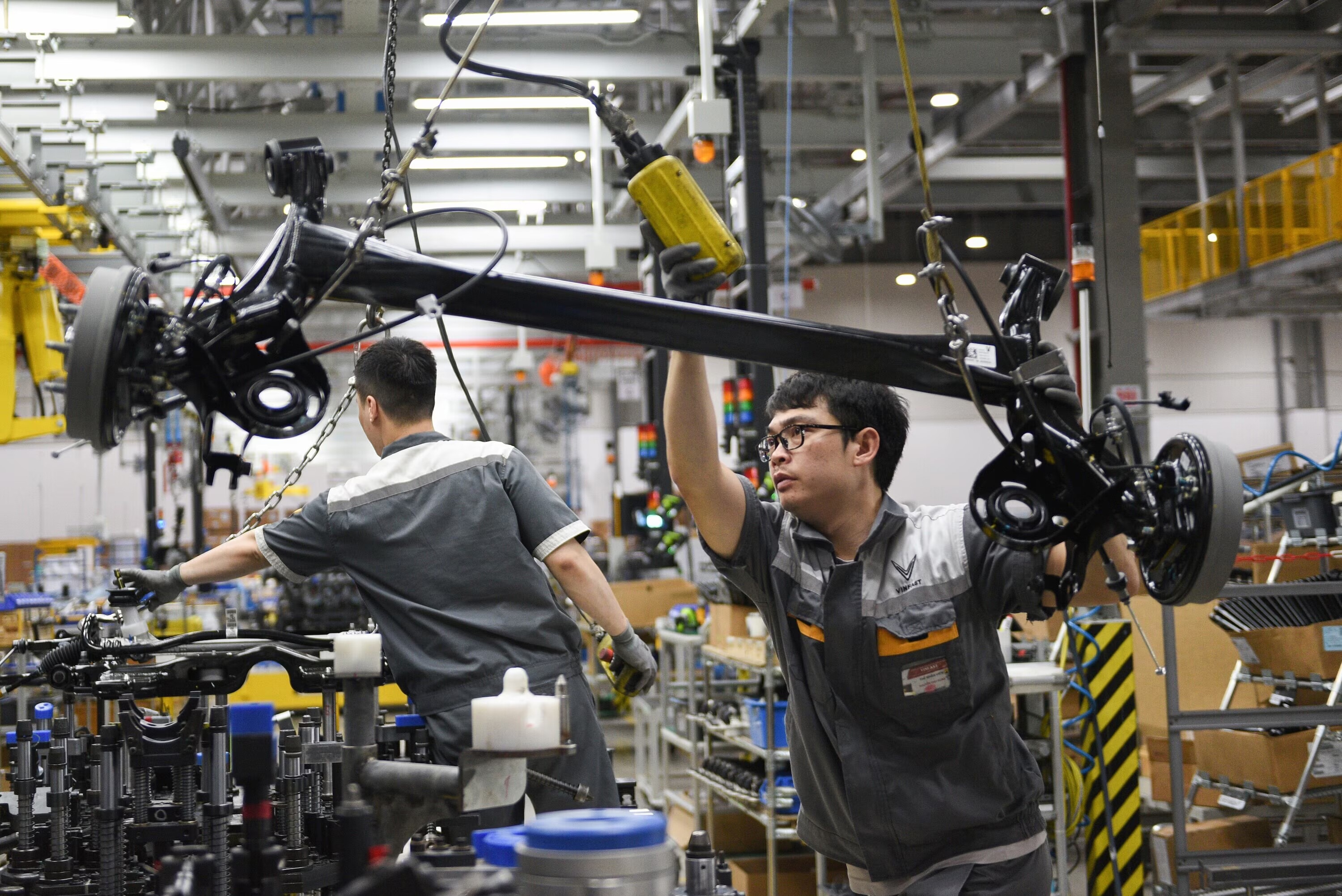
アジア太平洋全域に、産業変革の新たな段階が到来しつつあります。過去10年間の大半において、注目は画期的な技術の開発、コスト削減、そして産業の脱炭素化が技術的に可能であるという実証に集中していました。現在の重点は、スケールアップです。

Julia Franchi Scarselli is a climate impact strategist and social entrepreneur, dedicated to advancing climate innovation and experienced in delivering community-led projects in Europe and the United States. At the World Economic Forum, she oversees strategic communications and programme development for the First Movers Coalition, driving the decarbonization of hard-to-abate industries. Julia co-founded Libellula, an award-winning regenerative agriculture initiative, and actively contributes to the development of early-stage climate projects. She is recognized for her TEDx talk, in which she underscores the critical role of smallholder farmers in the transition to a sustainable food system. Julia holds a BA in Environmental Science & Policy from Smith College.
アジア太平洋全域に、産業変革の新たな段階が到来しつつあります。過去10年間の大半において、注目は画期的な技術の開発、コスト削減、そして産業の脱炭素化が技術的に可能であるという実証に集中していました。現在の重点は、スケールアップです。
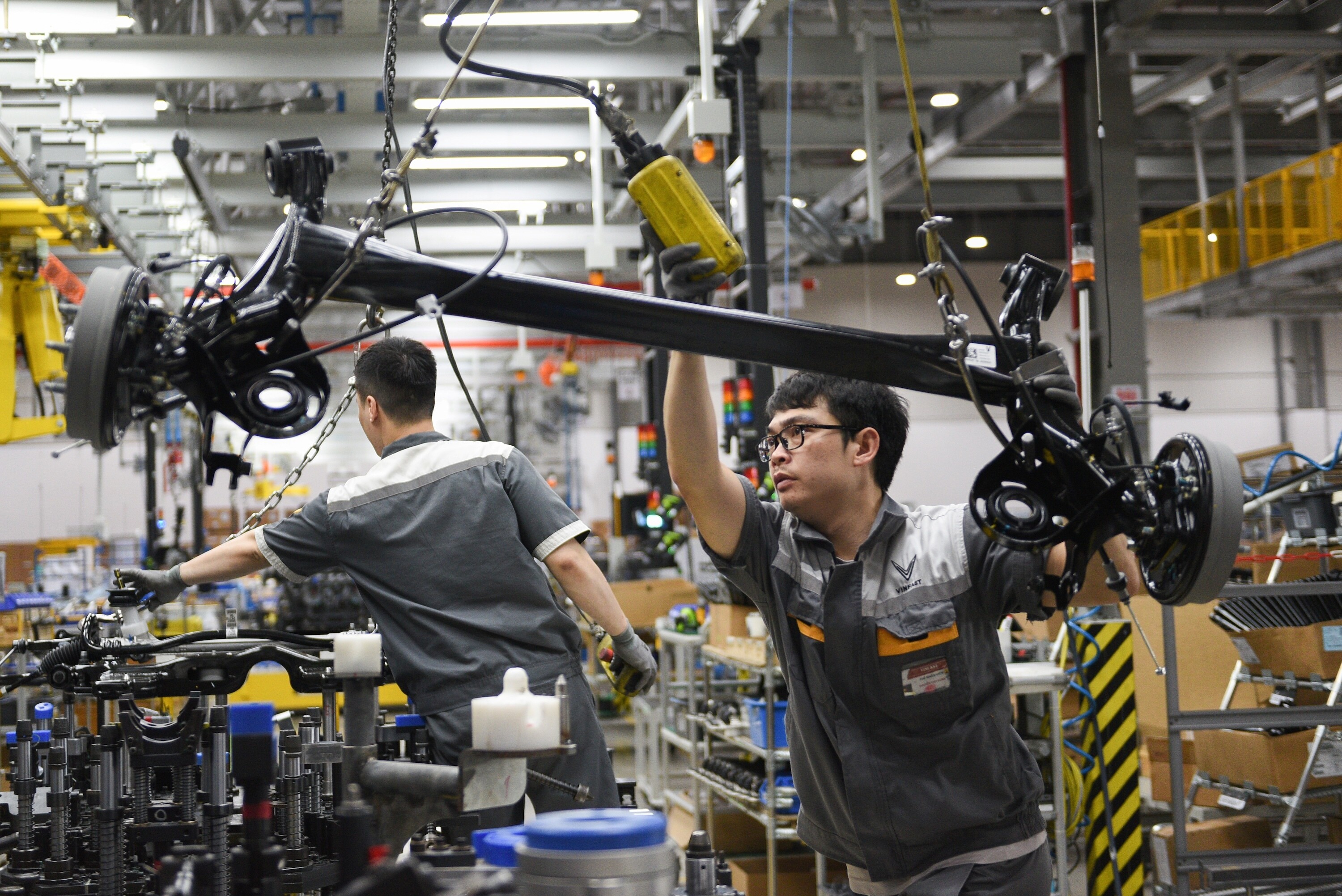
Asia-Pacific produces half of global industrial output. Six shifts are now reshaping its approach to decarbonization – and to industrial competitiveness.
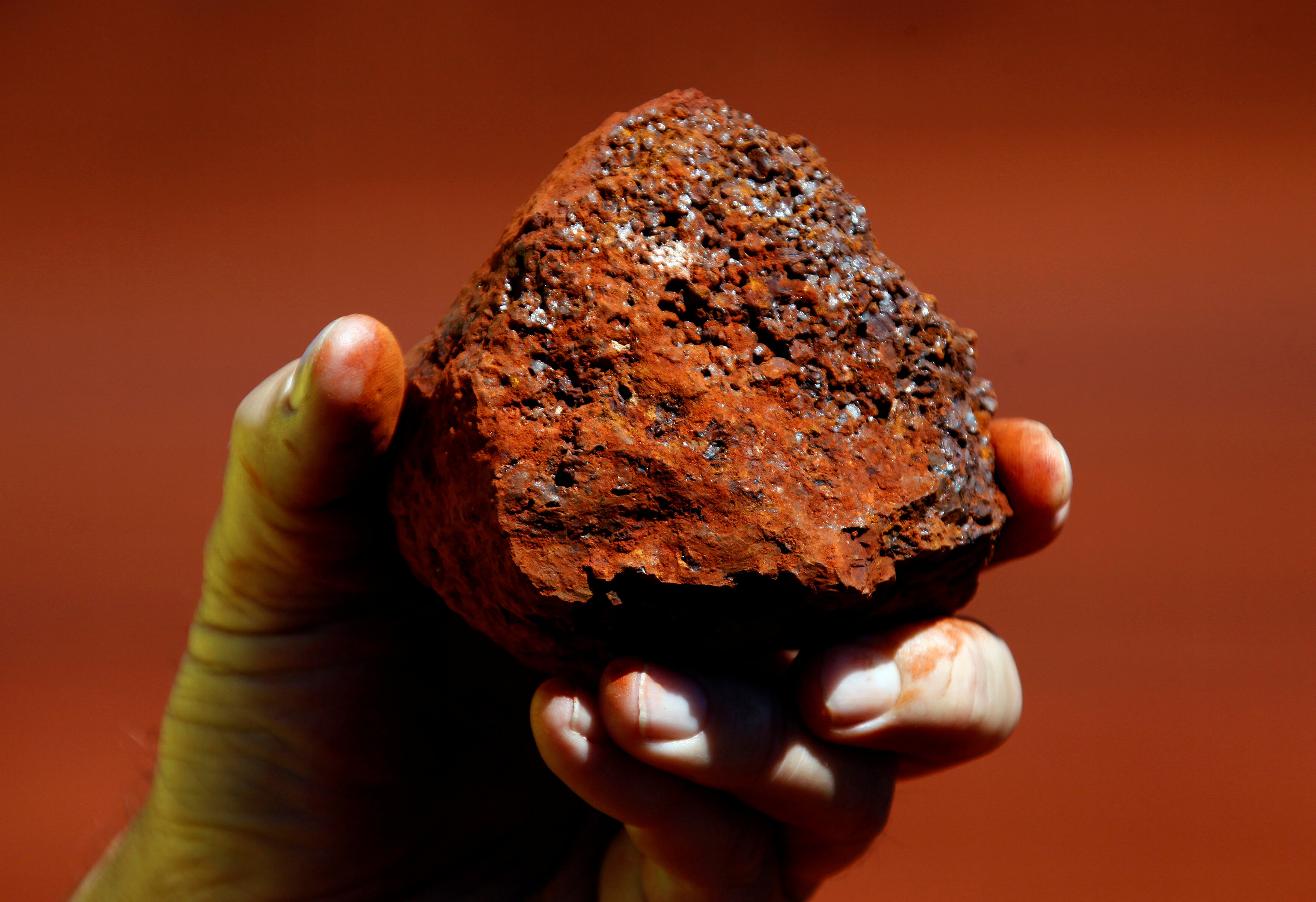
A shift to renewable energy-produced green iron could help Australia abate up to 4% of global emissions and anchor Asia’s low-carbon industrial transition.

La mayor economía de América Latina se está embarcando en la descarbonización masiva de tres sectores difíciles de abandonar: el acero, el aluminio y la aviación.

Brazil, one of the world's largest economies, is embarking on a mass-scale decarbonization of three hard-to-abate sectors: steel, aluminium and aviation.


