

Economic Growth
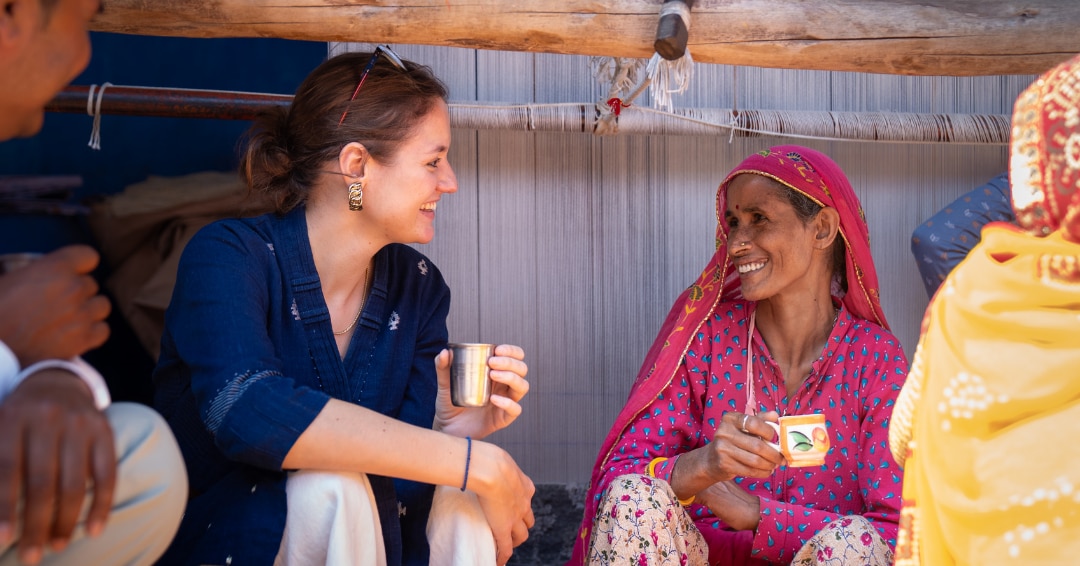
How community-led tourism can strengthen culture and local economies in India
Across India, local tourism initiatives are giving artisans, farmers and women new ways to turn local knowledge and culture into income on their own terms.

Dipali Khandelwal is the founder of The Kindness Meal, working to preserve food cultures and traditional food knowledge across India through research, documentation, and culinary tourism. Her work sits at the intersection of food systems, cultural heritage, and experience economy.
She was named to the Forbes 30 Under 30 Asia list in 2025. As a member of the Global Shapers Jaipur Hub, she works on the Partnerships team for Jaipur Hub and is a core team member of Project GRAMIN, recipient of the 2025 Innovation Prize for grassroots impact.
She writes actively for World Economic Forum on topics around food, culture, travel & tourism (T&T), and environment. She is also the BIMSTEC Youth Council India Representative, and is currently focused on a food culture preservation project under the India-France Year of Innovation 2026. She serves as a mentor and jury member for India's Ministry of Youth Affairs Viksit Bharat 2047 initiatives.
Based in Jaipur, her work connects grassroots communities (women artisans, farmers, craftspeople, and rural youth) with global communities for deeper impact.
Across India, local tourism initiatives are giving artisans, farmers and women new ways to turn local knowledge and culture into income on their own terms.
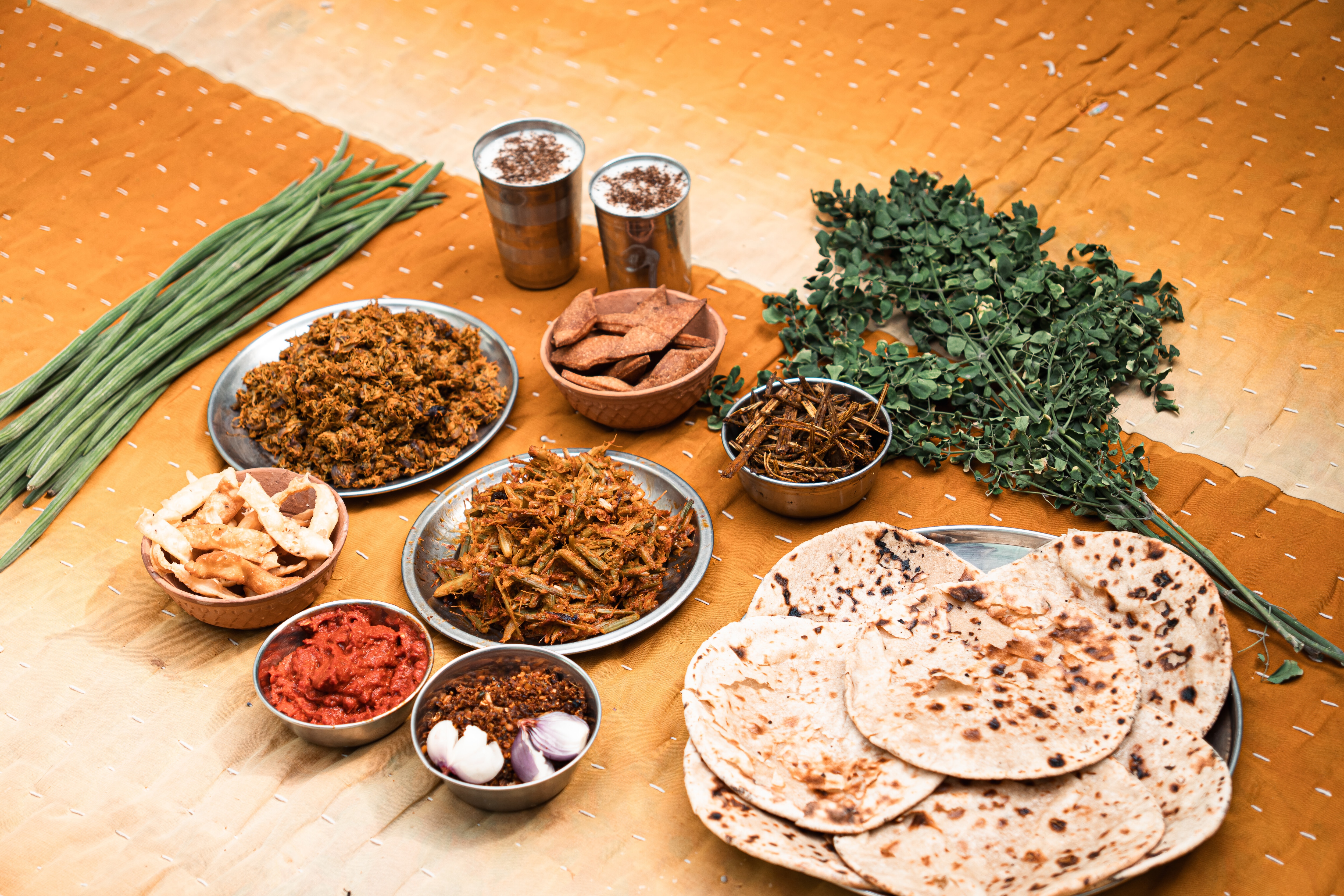
Modern food systems have disconnected food from seasonality but traditions from past cultures show why seasonal eating is beneficial for the climate.
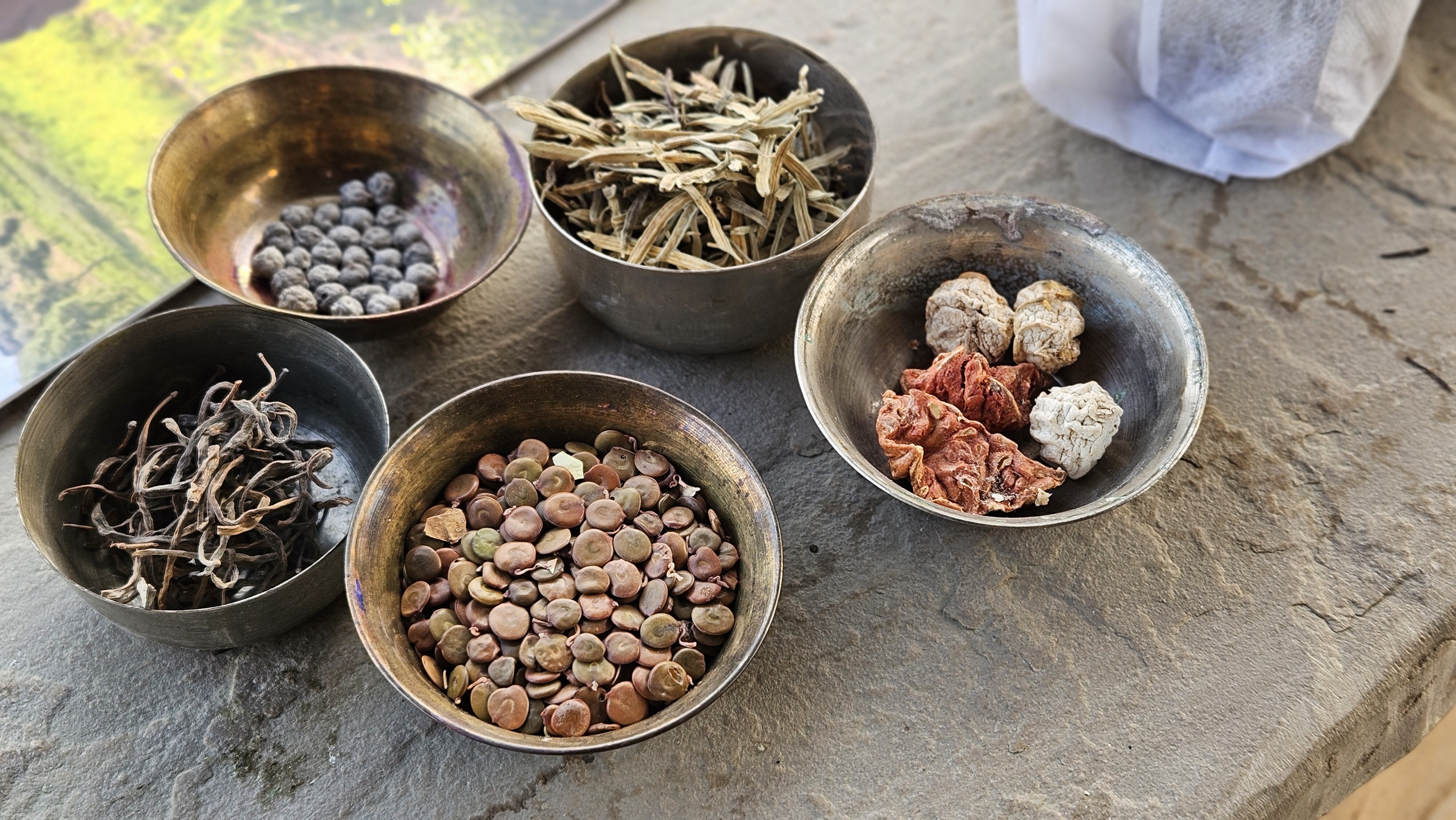
India's renewed interest in millets shows how turning to native foods can boost local economies, protect ecological knowledge and improve food security.

Los cultivos nativos están en riesgo de extinción a menos que todos los actores involucrados trabajen para revertir el daño causado por la agricultura industrial.

Native crops are at risk of extinction unless all stakeholders seek to reverse the damage from industrial farming, impacting our health and sustainability.

世界では、生産される食品の3分の1が廃棄されており、その原因は先進国における過剰消費と、発展途上国における保存・流通の不備にあります。伝統的なインド料理の調理法は、無駄を出さない工夫を凝らす必要があったため、食品ロス削減の一つの手本となります。

Traditional Indian cooking practices, which adopted a zero-food waste approach out of necessity, offer a model for contributing to sustainable global food system.


