

Wellbeing and Mental Health
長寿経済の柱として、文化的統合を推進すべき理由
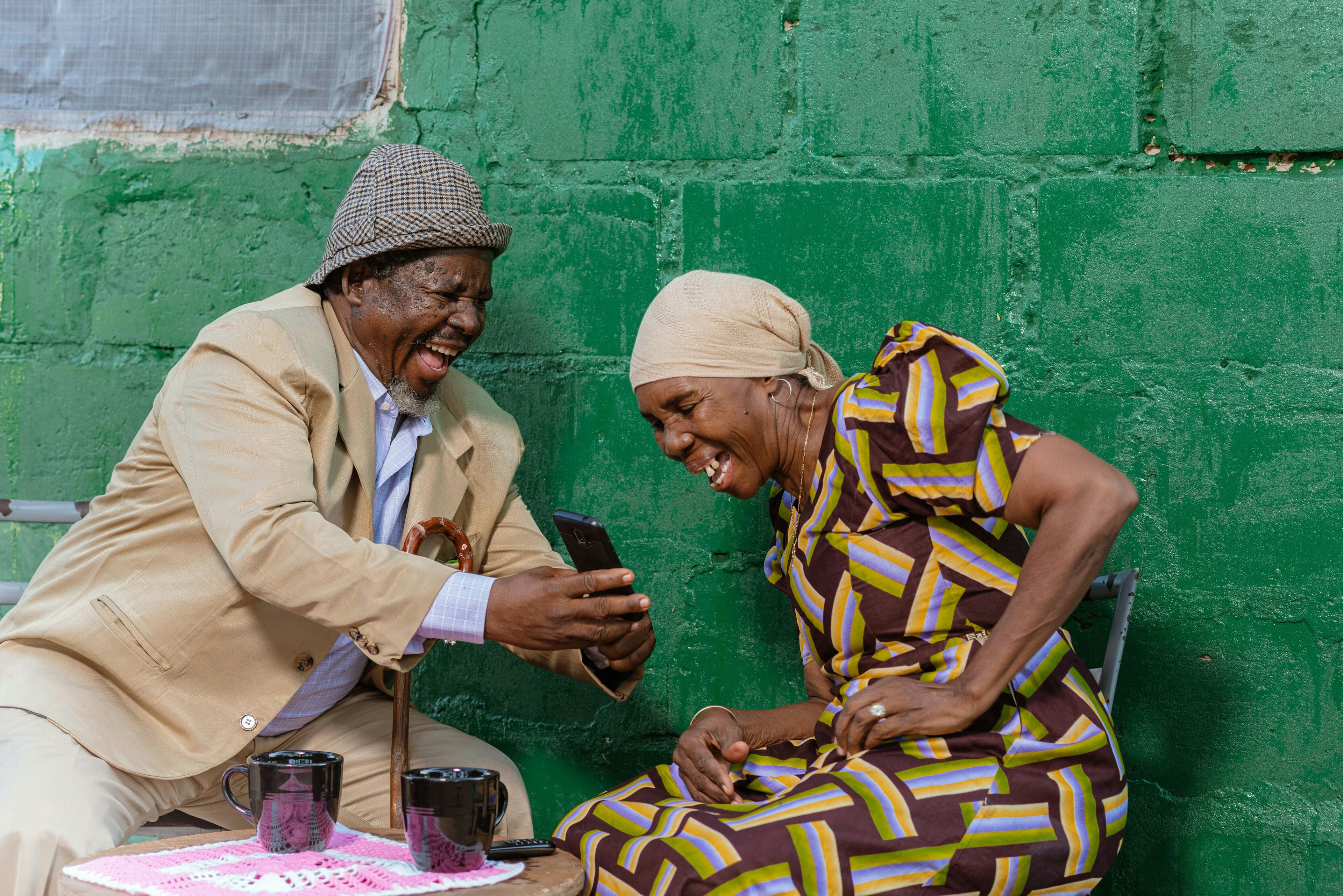
世界で高齢化が進み、平均寿命は2050年までに77.2歳、人口の6人に1人が65歳以上の長寿社会になると予測される中、医療システムは資源配分、ケア提供体制、財政面において一層大きな圧力に直面しています。この人口動態の変化は、それぞれ異なる加齢観や世代間役割への期待を持つ、多様な文化的文脈の中で進行しています。
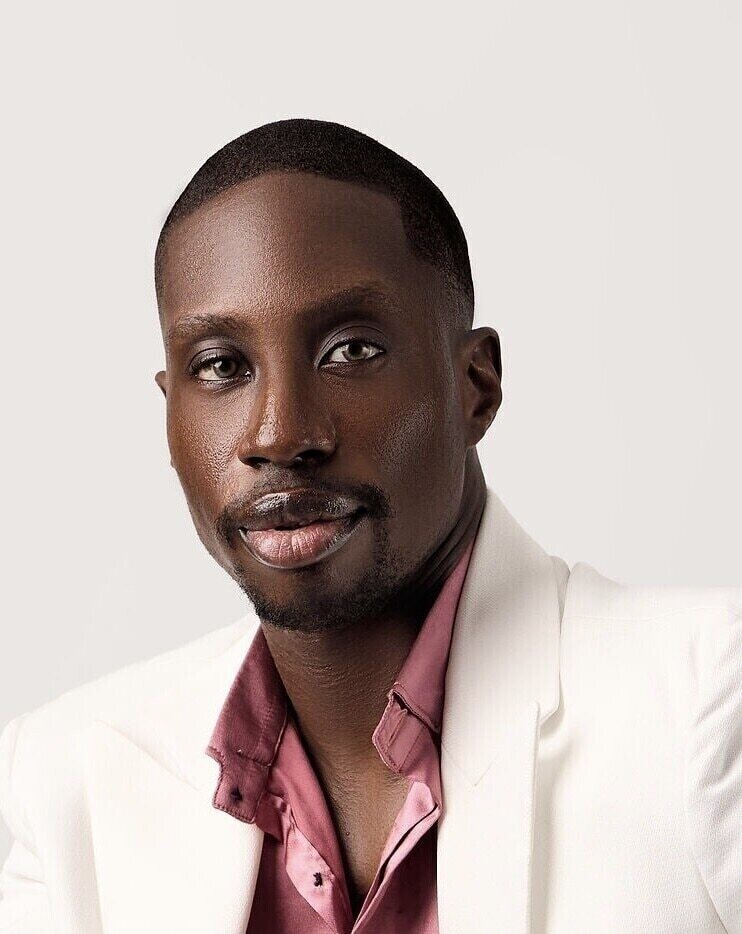
David Ebube Nwachukwu is a sustainable development, public policy and strategic communications professional working at the intersection of strengthened institutions, economic opportunity and longer lives.
He serves as Communications Associate at Nigeria’s Presidential Food Systems Coordinating Unit (PFSCU), Office of the Vice President, supporting the communication of national food systems priorities and coordination across government, states, development partners and other stakeholders. His broader work spans public policy, entrepreneurship and sustainable development, with experience supporting policy research, stakeholder engagement and programmes addressing complex development challenges.
David is a Core Collaborator within the Longevity Economy Shapers Taskforce, as part of the Global Shapers Community’s Longevity Economy Flagship Collaboration. His work explores how societies can prepare for longer lives through more inclusive economic, social and institutional systems, with a particular interest in bringing African and emerging-economy perspectives into the global longevity agenda.
A former Curator of the Abuja Global Shapers Hub, David has contributed to the Community since 2022, including through initiatives focused on youth civic participation, climate action, entrepreneurship and sustainable development.
He holds an MSc in Sustainable Development from the University of Sussex and a BSc in Geography from the University of Lagos.
世界で高齢化が進み、平均寿命は2050年までに77.2歳、人口の6人に1人が65歳以上の長寿社会になると予測される中、医療システムは資源配分、ケア提供体制、財政面において一層大きな圧力に直面しています。この人口動態の変化は、それぞれ異なる加齢観や世代間役割への期待を持つ、多様な文化的文脈の中で進行しています。
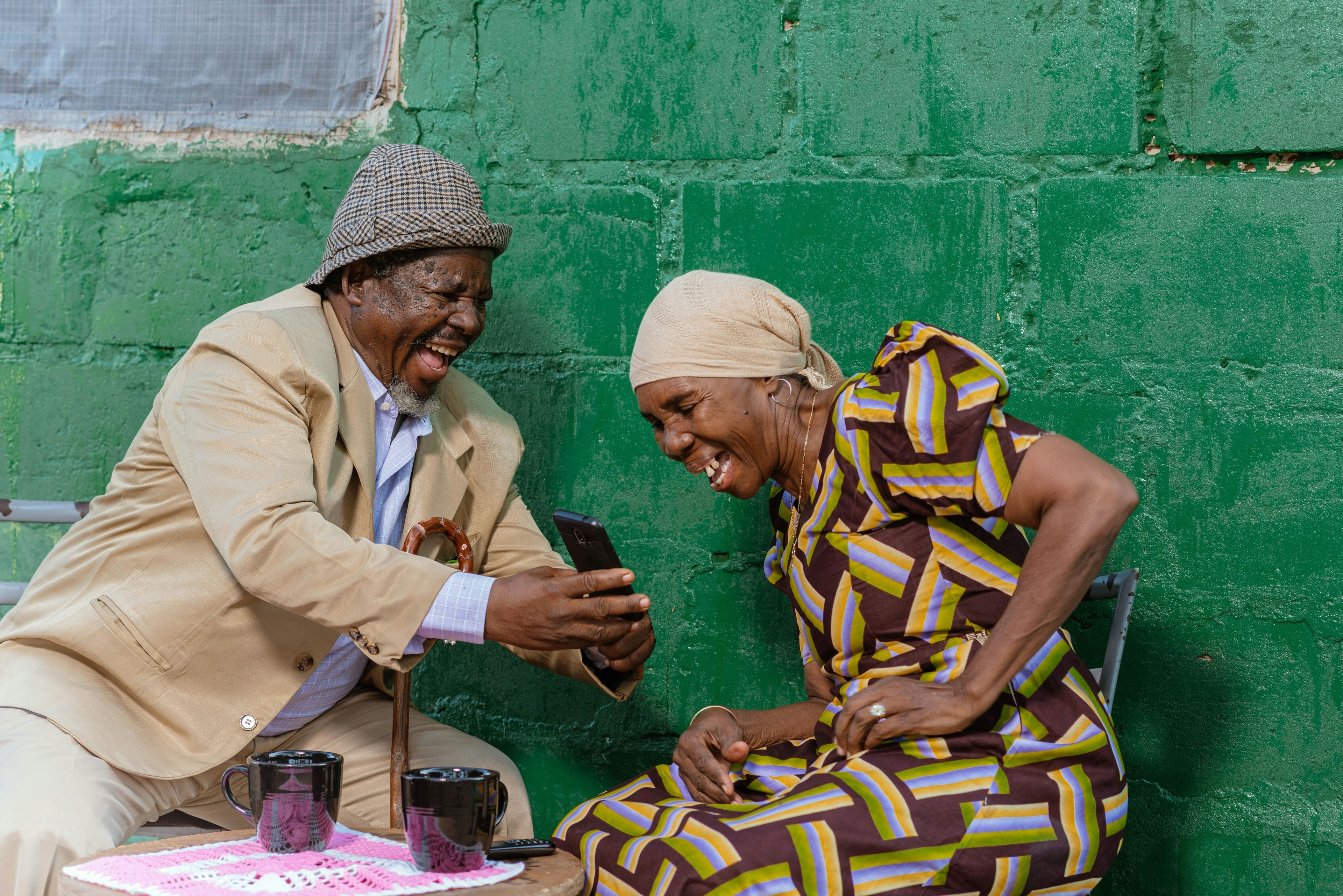
As the world ages, the longevity economy's importance grows. We must not ignore the role of culture in care delivery, particularly in developing countries.
