

Technological Innovation
驱动1.8万亿美元商业航天市场的三大趋势
航天企业正日益通过持续性的服务创造价值,如通信、情报与监测,而非依赖一次性的硬件销售。商业航天公司的行动速度已超越政府机构。成本更低、以软件驱动的开发模式,以及专业化供应链,共同缩短了从部署到创收的周期。

Brett is a Principal in Deloitte Consulting LLP's Government & Public Services Industry and currently leads Deloitte's US Space practice.
Brett has over 20 years of experience working with leaders in the defense, national security, and civilian sectors to engineer, modernize, and operate IT systems and services. He has overseen a series of strategic Space market studies for Space Force, NASA, State Government, Higher Education, and Global clients. Additionally, he has led the development and expansion of Deloitte's Space practice and related offerings.
Prior to Deloitte, Brett was as an engineer and project manager for space systems at a large Defense contractor. Brett hold a Bachelor of Science in Electrical Engineering and a Master of Business Administration, both from the from the University of Maryland.
航天企业正日益通过持续性的服务创造价值,如通信、情报与监测,而非依赖一次性的硬件销售。商业航天公司的行动速度已超越政府机构。成本更低、以软件驱动的开发模式,以及专业化供应链,共同缩短了从部署到创收的周期。
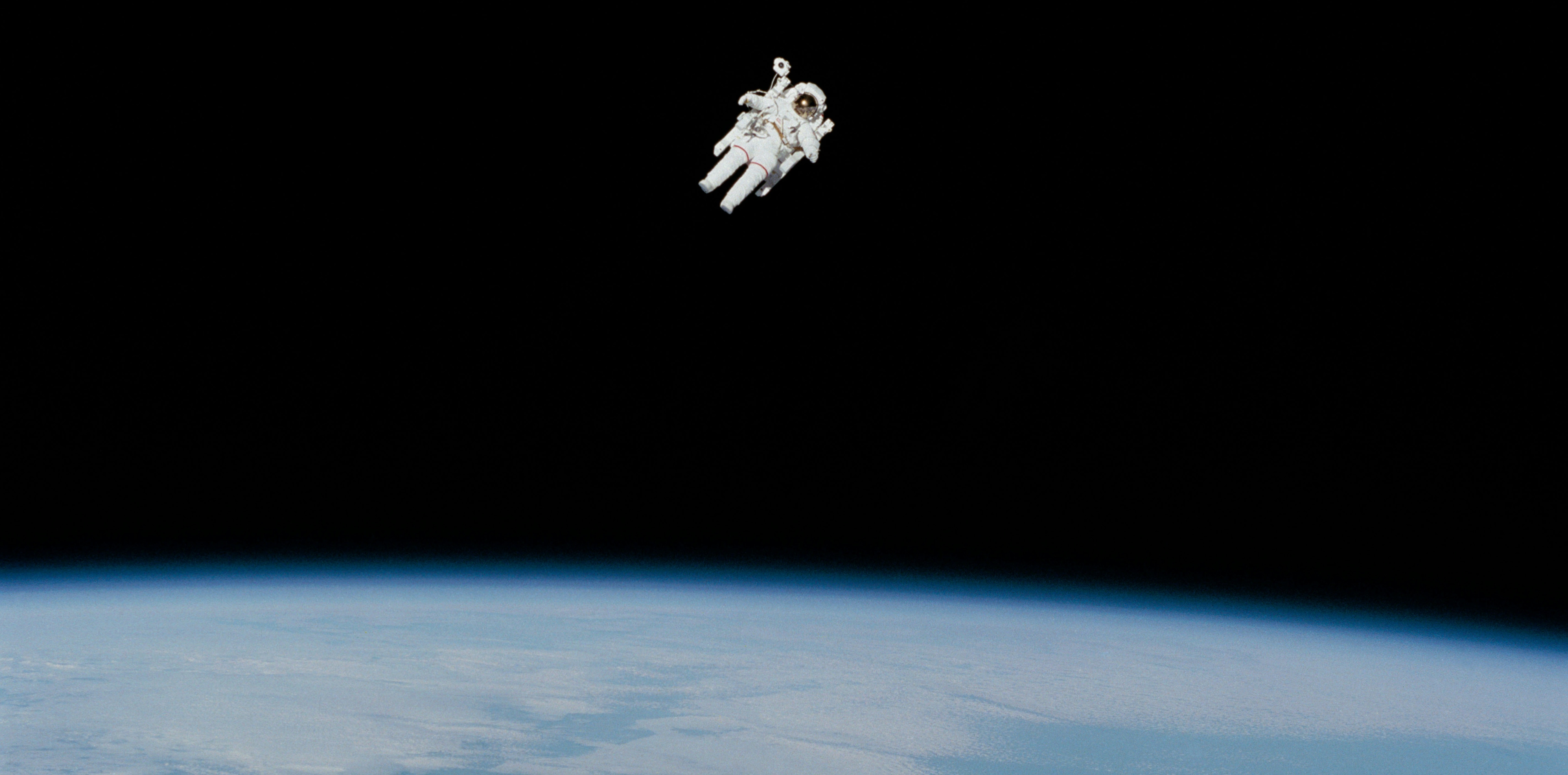
Space investment is accelerating as recurring services, sovereign demand and faster commercial innovation reshape the sector’s growth outlook.

有一千多颗卫星正在围绕地球飞行并不断收集地球观测数据。根据世界经济论坛与德勤合作发布的新报告,2023年至2030年,地球数据的累计潜在增加值可能达到3.8万亿美元。6个重点行业占该产业总产值的94%。

毎日、1,000機以上の人工衛星が世界中の詳細な画像やデータを収集。そのデータは、息をのむような地球のイメージの生成に使用されるほか、地上の技術と組み合わせることで、人々と地球の関係を明らかにし、大きな経済価値の創出に役立ちます。

The potential value-added from Earth observation data could reach $700 billion by 2030. These are the six key industries that make up 94% of that total.


