


Technological Innovation
当AI拥有身体,如何为它加上安全锁?
物理AI产品正涌入市场,然而网络安全漏洞依然层出不穷。物理设备中AI智能体的安全规程,目前仍游离于AI安全研究、传统网络安全与机器人工程三大领域之间。物理AI价值链相关方可立即采取三项行动,着手弥合这一安全鸿沟。

Ann Cleaveland is the Executive Director of the UC Berkeley Center for Long-Term Cybersecurity, where she leads a team in multiple cybersecurity research, workforce development, and public dialogue programs to address tomorrow’s digital security challenges. Her personal research focus includes cybersecurity futures, digital risk communications, and governance of cyber risk. She is a strategic leader and business manager with experience in philanthropy, non-profit management, and industry. Prior to joining CLTC, she served as the Senior Director of Strategic Planning at the ClimateWorks Foundation. Cleaveland received her BA from Rice University and her MBA in sustainable business from the Presidio School of Management.
物理AI产品正涌入市场,然而网络安全漏洞依然层出不穷。物理设备中AI智能体的安全规程,目前仍游离于AI安全研究、传统网络安全与机器人工程三大领域之间。物理AI价值链相关方可立即采取三项行动,着手弥合这一安全鸿沟。
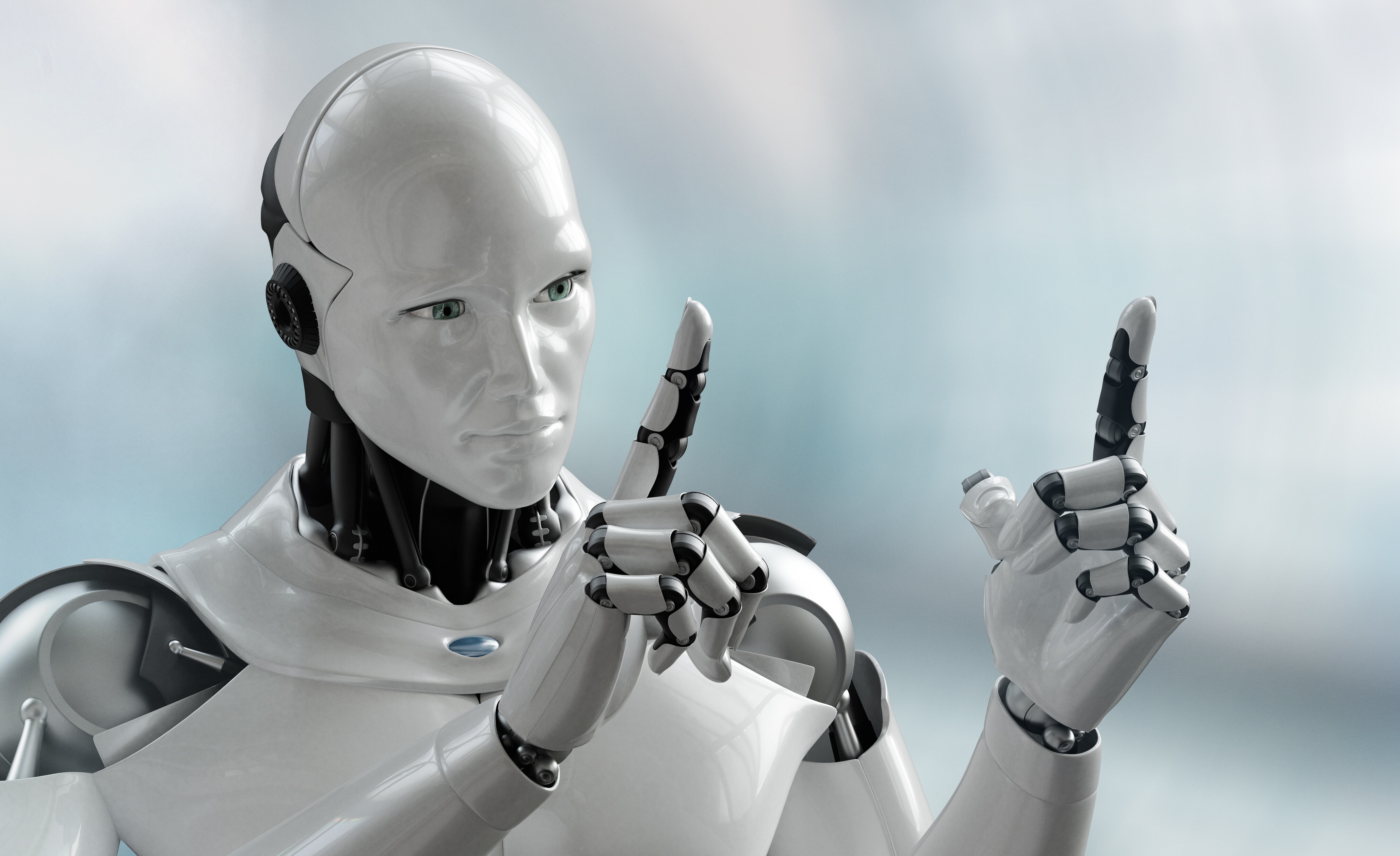
Physical AI products are coming despite cybersecurity loopholes. Here are 3 immediate actions actors along the value chain can take to help close this gap.

As AI, circularity and geopolitics redefine global industry, cyber resilience is foundational for interconnected production and must cross te value chain.

Esas son las perspectivas que podrían configurar el panorama de la ciberseguridad para el 2030. Las organizaciones deben estar preparadas.

Know the key insights, tensions, and trade-offs that will likely shape the future of cybersecurity and can help an organization better prepare to face cyber threats


