

Youth
全球青年领袖如何重新定义长寿红利?
随着全球年轻人预期寿命的延长,长寿正逐渐成为一项跨越世代的全球性挑战。财务安全与孤独感是全球最受关注的两大长寿议题,但具体挑战因地区而异。
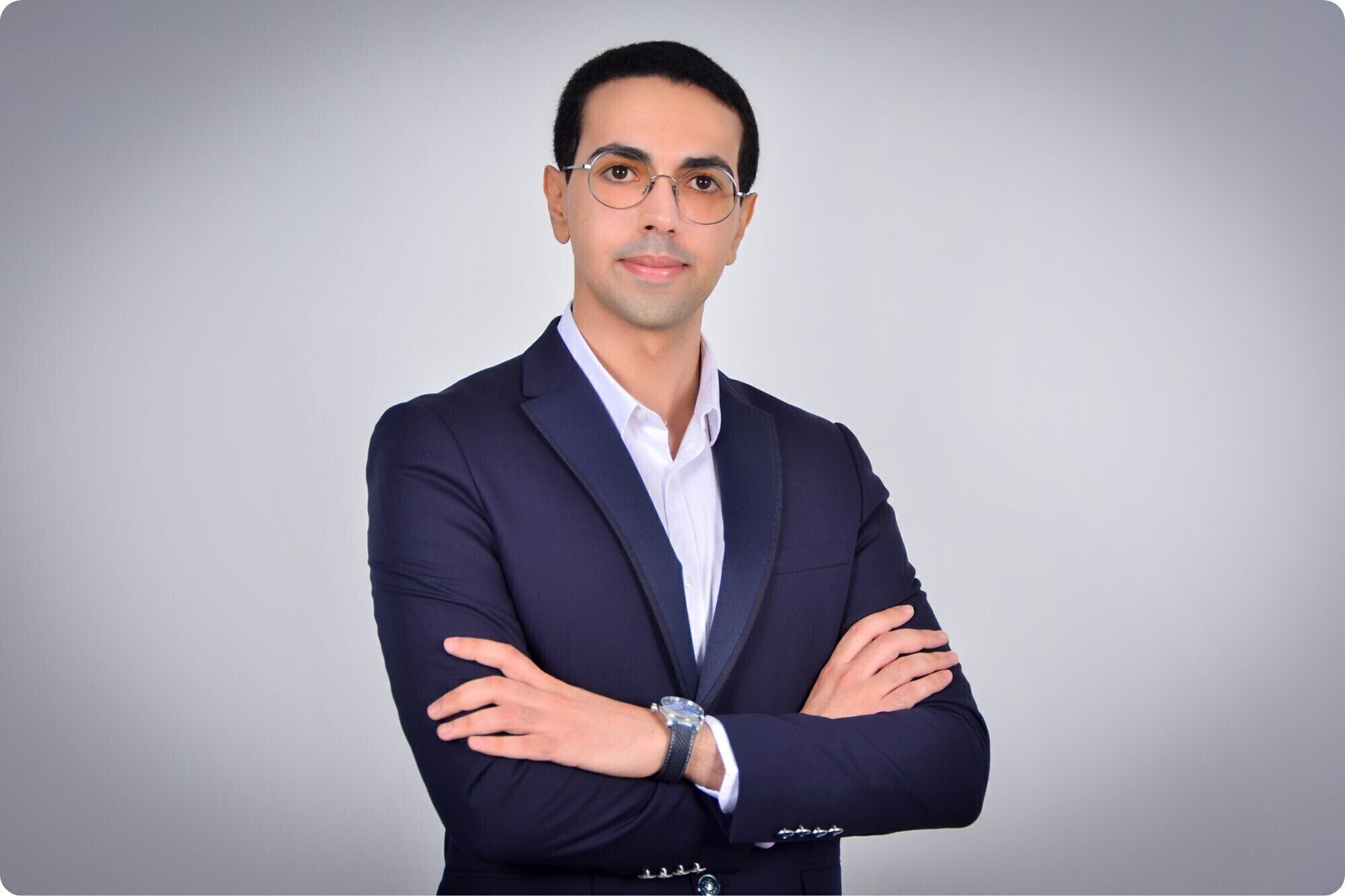
Adam Skali works at the intersection of digital health, artificial intelligence, interoperability, regulatory science, prevention, and health-system transformation. He has coordinated or contributed to more than 50 international consortia involving over 500 organisations worldwide, with the potential to mobilise more than EUR 600 million.
As Director of Innovation at the CIeS e-Health Innovation Center, Adam has helped advance several of Morocco’s main digital health and AI initiatives and the region’s interoperability and AI in health strategy. He contributed to establishing the Moroccan health interoperability laboratory and its collaborations with HIMSS and IHE Catalyst, as well as to developing an AI maturity framework and national policy recommendations validated with hundreds of stakeholders. He now leads CIeS collaboration with WHO EMRO to expand work on digital health strategy, AI, interoperability sandboxes, and capacity building across the Eastern Mediterranean region.
Through CIeS innovation and entrepreneurship programmes, Adam has supported more than 1,500 students from 50 countries and hundreds of startups from more than 30 countries, through hackathons, incubation programs and capacity building, as well as the execution of the IeHF a series of yearly events reaching more than 20.000 participants across the globe.
Another area of his is connecting innovation with policy, governance, and sustainable financing. In Finland, he is leading a report on outcomes-based contracting and productivity-adjusted life years, exploring how health, social, and financial outcomes can be connected to strengthen investment in prevention. The work brings together the University of Eastern Finland, the Danish Life Science Cluster, the Nordic Wellbeing Academy, Invest4Health, St. Pölten University of Applied Sciences, drawing on international expertise in impact investment and social impact bonds, to be presented to the Finnish parliament and serve as input for a new social impact bond on diabetes.
Adam also works as a consultant, associated expert, and advisor to organisations including EIT Health, Evidenze, Fundación Visible, the Danish Life Science Cluster, the Scott Morgan Foundation, and the Digital Mental Health Consortium. His work spans real-world evidence, health technology assessment, digital therapeutics reimbursement, AI validation, federated health data infrastructures, patient-centred living labs, accessibility technologies, and health data spaces aligned with the European Health Data Space.
His broader roles include membership of the Steering Committee on Real-World Evidence and AI of HTAi, the WHO/Europe Public Health Innovation Platform, the External Advisory Board of MyHealth@MyHands, and the Youth Advisory Group of the European Joint Action PreventNCD. He is also a Board Member of the Institute for Human-Centered Health Innovation and President of the Young AI Leaders Madrid Hub, part of the AI for Good ecosystem led by the International Telecommunication Union. He is also a Core Collaborator of the Global Shapers Longevity Economy Task Force and a member Health and Consumer Working Group at the Intergenerational Foresight Initiative, a project of the Global Foresight Network and Global Shapers Community, contributing to international work on prevention, longevity, intergenerational cooperation, and the future of health systems.
Adam has presented at more than 70 conferences, workshops, and international events organised by institutions including WHO, OECD, ITU, the World Summit on the Information Society, EIT Health, and the Wellbeing Economy Forum. His work and public contributions have generated more than 15 million impressions, increasing visibility for health equity, responsible AI, interoperability, prevention, and innovation in emerging health systems.
He began his career in biophysics before moving into entrepreneurship, co-founding MidasTimes to support student mental health and later becoming Chief Operating Officer of Luci Health. He holds a Master’s in Multidisciplinary Research in Experimental Sciences, a Bachelor’s in Biotechnology, and advanced studies in bioinformatics, biomathematics, computational biology, and data science. He speaks seven languages, including three at native level.
随着全球年轻人预期寿命的延长,长寿正逐渐成为一项跨越世代的全球性挑战。财务安全与孤独感是全球最受关注的两大长寿议题,但具体挑战因地区而异。

Longevity is a global, multigenerational challenge, with financial security and loneliness ranking as top concerns as young people contemplate longer lives.

世界で高齢化が進み、平均寿命は2050年までに77.2歳、人口の6人に1人が65歳以上の長寿社会になると予測される中、医療システムは資源配分、ケア提供体制、財政面において一層大きな圧力に直面しています。この人口動態の変化は、それぞれ異なる加齢観や世代間役割への期待を持つ、多様な文化的文脈の中で進行しています。

As the world ages, the longevity economy's importance grows. We must not ignore the role of culture in care delivery, particularly in developing countries.

India se encuentra en la intersección de una crisis de contaminación del aire y una transición demográfica, con consecuencias para la atención médica, la productividad y la economía.

India is at the intersection of an air pollution crisis and a demographic transition, with major implications for healthcare, productivity and the economy.

If we can adapt quickly enough, longevity can become a powerful engine for sustainable, inclusive growth across generations across the world.

Cuatro fundadores de startups comparten ideas sobre cómo superar las barreras estructurales que hoy impiden el despliegue a gran escala de la agetech.

世界的な高齢化が進む中、高齢化に対応するイノベーションは追いついていません。「エイジテック」分野は拡大を続けているにもかかわらず、構造的な障壁により、その大規模な展開が妨げられています。「エイジテック」分野の創業者4人が、必要とされるソリューションを効果的に導入するための洞察を共有しています。

Four startup founders reveal insights on how to overcome the structural barriers currently preventing the much-needed deployment of agetech at scale


